

Modified Tapioca Starch Supplier in Vietnam & a Sustainable Value Chain from Tay Ninh
Vietnam’s cassava industry is undergoing a major transition: starch demand is rising rapidly, yet the value chain remains fragmented, heavily dependent on a single market, and lacking in deep-processed products. In this context, modified tapioca starch suppliers have become a crucial link in enhancing value, reducing risks, and paving the way for Vietnam’s cassava industry to enter more demanding markets. Together with Hung Duy Starch, let’s analyze the overall value chain, key challenges and opportunities, and the role of enterprises in driving the sustainable development of the cassava industry in the following article.
1. Overview of Vietnam’s Cassava Value Chain: Opportunities and Challenges
Vietnam has approximately 517,800 hectares of cassava cultivation, producing 10–10.7 million tons of fresh roots annually. This serves as the primary raw material for around 140 cassava starch factories, with a total designed capacity of 13.4 million tons per year. However, actual operating capacity reaches only about 9.3 million tons, revealing a paradox: while there are many factories, the supply of fresh cassava roots remains unstable and inconsistent.
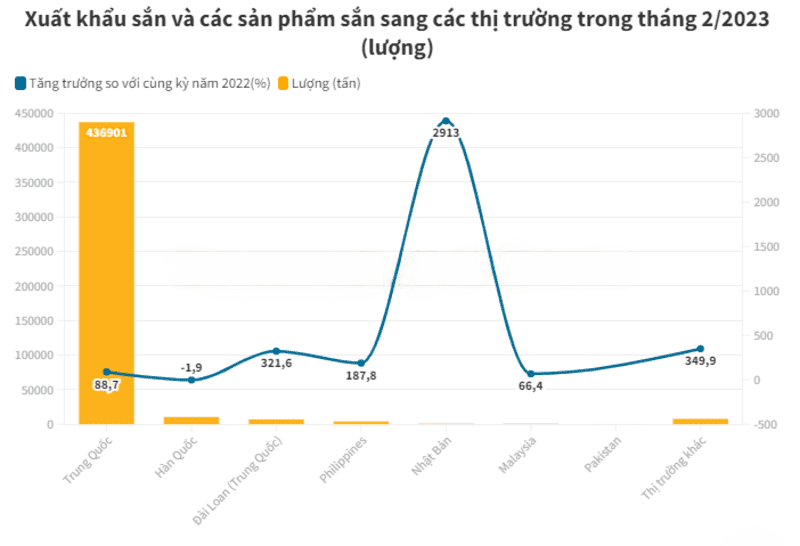
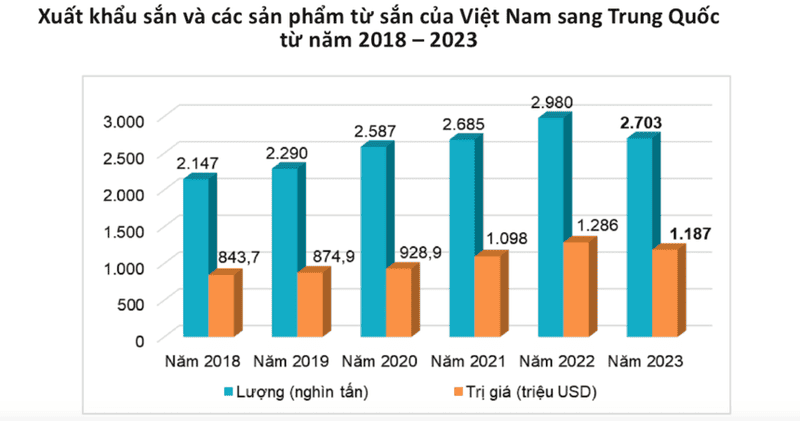
In terms of output markets, Vietnam is currently the world’s third-largest exporter of cassava and cassava-based products. In the first six months of 2025, exports reached 2.3 million tons, valued at USD 711.5 million — a sharp increase in volume (+68.6%), but the average price was only USD 304.1/ton, down more than 33% due to the product structure still being dominated by dried cassava chips and raw tapioca starch with low added value.
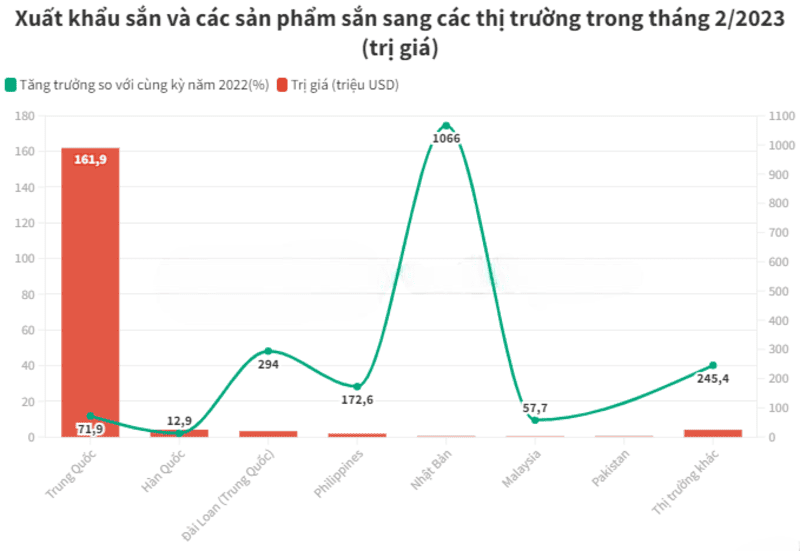
Another major risk is the heavy dependence on China, which accounted for up to 93% of Vietnam’s total export volume in the first half of 2025. This makes the entire industry extremely sensitive: any changes in China’s border trade policies, standards, or demand immediately impact both farmers and enterprises.
The low-value product structure also reduces the industry’s resilience. The proportion of deep processing (modified starch, high-value by-products, biomaterials, etc.) remains below 10%, causing many raw starch factories to face reduced capacity, temporary shutdowns, or reliance on imported raw materials from Laos and Cambodia to maintain operations.
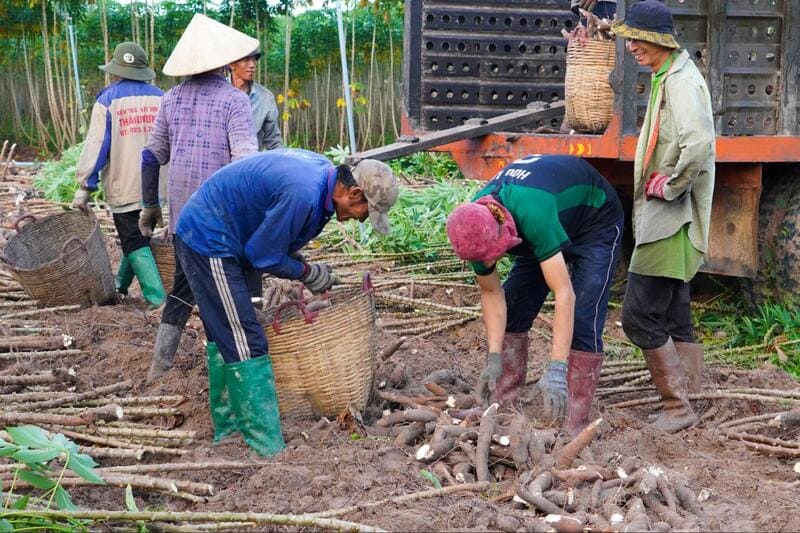
At the raw material level, the linkage between enterprises and farmers remains weak. Contract farming areas are limited; production is fragmented, and farming techniques are inconsistent, leading to fluctuations in cassava quality across seasons and regions. When prices drop, farmers abandon their fields; when prices rise, factories face shortages. Lessons from Thailand show that enterprise-supported models—providing seeds, techniques, and cultivation support—help stabilize long-term supply, a model Vietnam is only beginning to adopt.
Environmental factors continue to put pressure on cassava production. Long-term cultivation in many areas has led to soil degradation and erosion, reducing yield and starch content, while input costs (fertilizers, soil restoration) have increased significantly. This raises cassava root prices and weakens Vietnam’s competitiveness compared to Thailand.
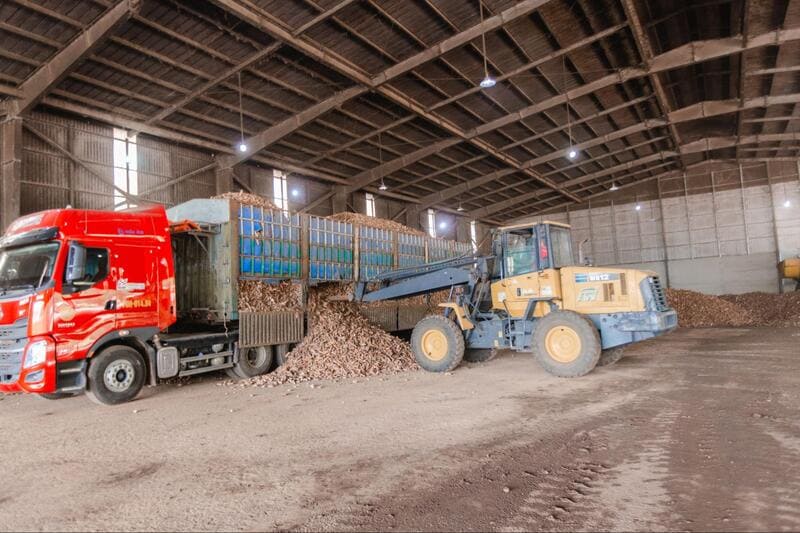
In processing, many factories still use outdated technology with low efficiency and discharge large volumes of wastewater and cassava residue instead of recycling them into by-products or bioenergy, missing opportunities for circular economy development. Investment in technological upgrades—especially for modified starch—requires significant capital and technical expertise, making it difficult for smaller enterprises to keep pace.
2. A Typical Cassava Starch Producer in Tay Ninh Contributing to Value Chain Enhancement
Amid the bottlenecks in Vietnam’s cassava industry, Hung Duy Starch stands out as one of the few “leading” enterprises that both addresses existing challenges and drives the development of a sustainable value chain. Below are the strategic advantages of this Tay Ninh-based tapioca starch manufacturer:
2.1. Stable Supply Thanks to High-Quality Raw Material Regions
Unlike many businesses reliant on traders, Hung Duy Starch has a major advantage in raw material sourcing by operating six factories producing modified tapioca starch in Tay Ninh — a region with approximately 40,000 hectares of cassava and over 1 million tons of fresh roots annually, as well as the largest purchasing hub in the border area. This allows the company to proactively control raw material quality from harvest, reduce reliance on intermediaries, and limit price fluctuations.
Hung Duy also maintains long-term partnerships with major brands across agricultural supply chains, equipment, and trade in Europe, the US, Asia, Australia, and Oceania to enhance quality standards and raw material management.
The company also develops regional economic linkages with major raw material areas in Cambodia to ensure abundant, high-quality fresh cassava supply. As a result, it can balance seasonal output, reduce shortage risks, and maintain stable year-round production.
2.2. Mastery of Modified Starch Processing Technology
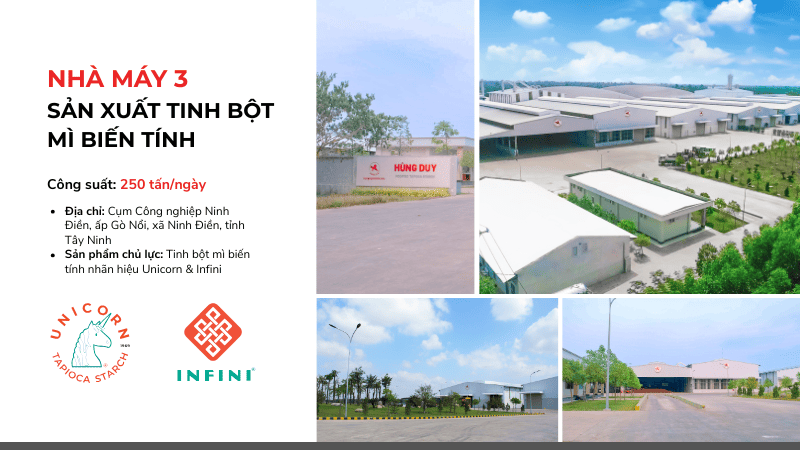
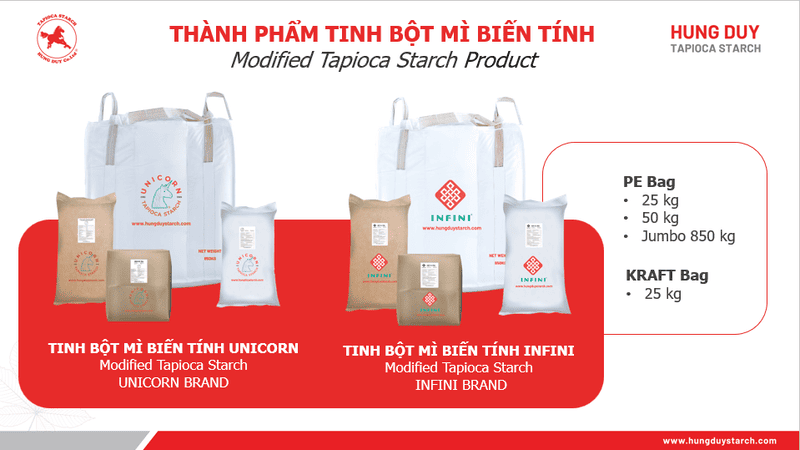
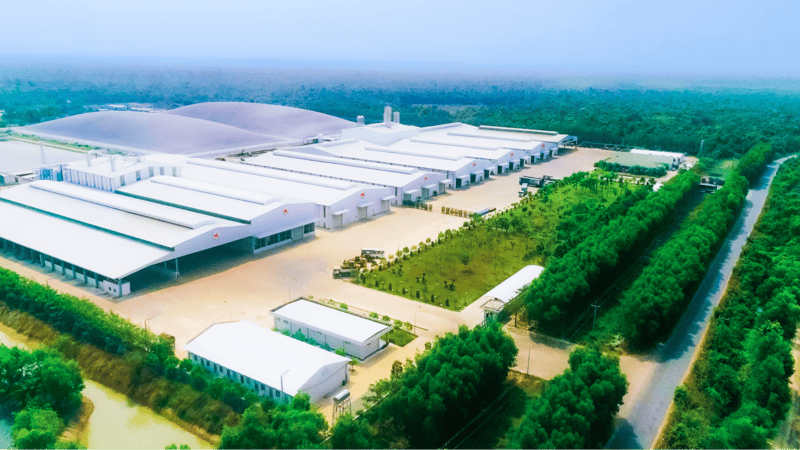
Hung Duy Starch operates Factory No.3 specializing in modified tapioca starch production in Tay Ninh, with a capacity of approximately 250 tons/day. The facility meets international standards such as FSSC 22000, ISO 22000, ISO 9001, ISO 14001, HACCP, HALAL, and KOSHER, ensuring compliance with demanding markets.
Its portfolio of over 20 types of modified tapioca starch is optimized for specific technical properties, serving multiple industries from food, paper, and pharmaceuticals to industrial materials. This deep-processing strategy gives Hung Duy a clear competitive advantage, elevates its position in Vietnam’s starch industry, and contributes to shifting the cassava value chain away from low-value raw products while improving profit margins for both the company and the industry.
2.3. International Quality Standards and Transparent Traceability
All tapioca starch and modified tapioca starch products of Hung Duy Starch are produced from 100% fresh cassava roots, directly sourced from Tay Ninh. Each batch is independently inspected by reputable organizations such as SGS, VINACONTROL, and QUATEST 3, ensuring consistent quality and full compliance with the strictest market standards across Asia, the US, China, South Korea, Japan, Singapore, Oceania, and Europe.
We are ready to provide complete standard export documentation for international trade, banking, customs clearance, and inspection, including:
- Invoice (Commercial Invoice)
- Packing List
- CO – Certificate of Origin
- COA – Certificate of Analysis
- Phytosanitary Certificate
- Bill of Lading – B/L
With transparent traceability—from cultivation areas, factories, production processes, inspection results, to shipping documents and complete quality dossiers—partners can have absolute confidence when entering long-term purchasing agreements.
2.4. Circular Production Model – Green Energy Strategy
Hung Duy Starch is among the pioneers in applying circular production models in the cassava industry. Its biogas wastewater treatment system both purifies water and generates reusable gas, helping reduce energy consumption and emissions. Organic residues are composted into fertilizers for cultivation areas, contributing to soil restoration and preventing degradation, while increasing by-product value and reinforcing the image of a “green factory.”
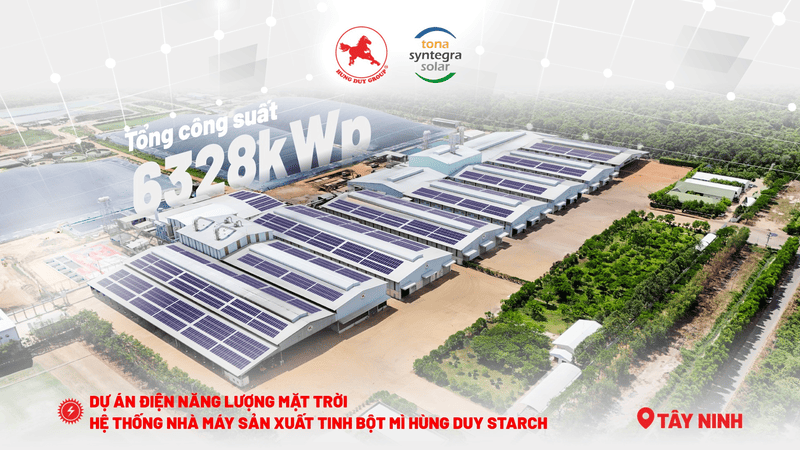
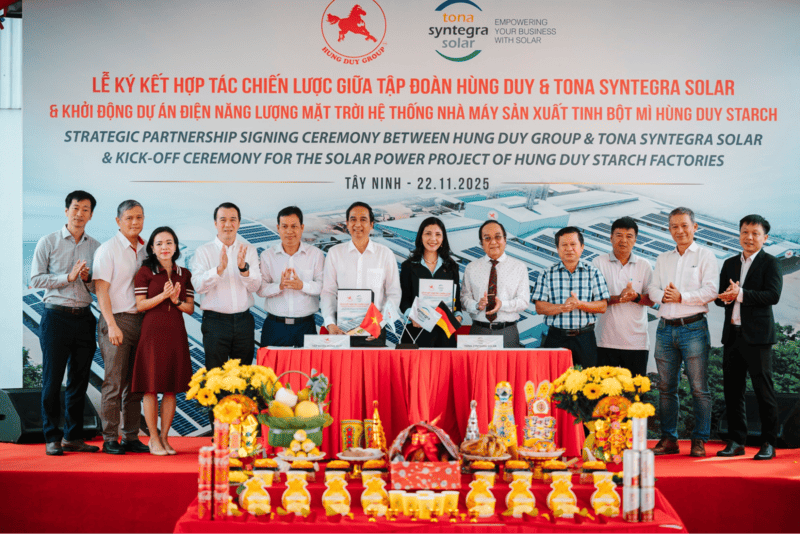
Recently, the Group has partnered with Tona Syntegra Solar (TSS) to deploy rooftop solar power systems at its starch factories. This marks a pioneering step in applying renewable energy locally, spreading the message of green transition and enhancing environmental and community responsibility. This initiative not only benefits the company but also contributes positively to Tay Ninh’s cassava starch industry and Vietnam’s green economic value chain amid deeper global integration.
2.5. Strong International Business Capability – Comprehensive Logistics Services
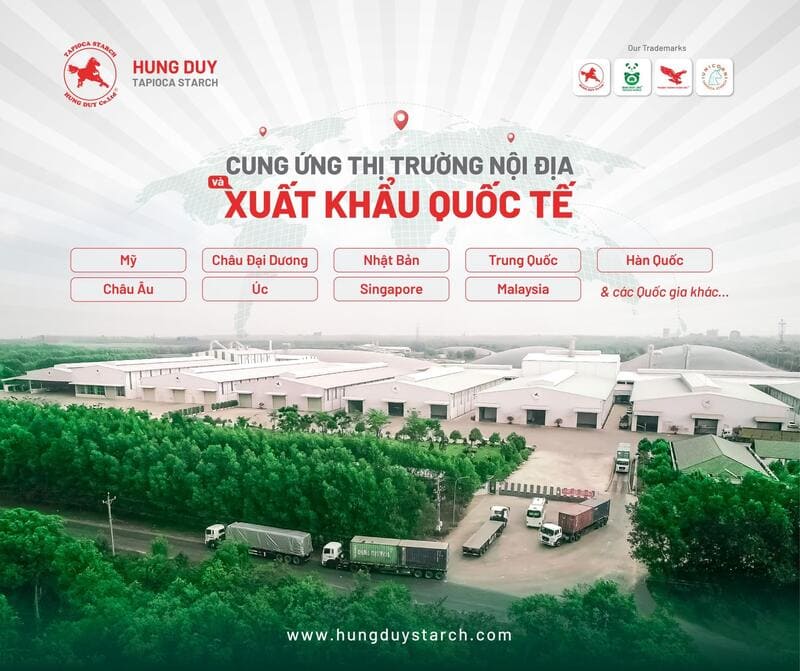
Hung Duy Starch possesses strong international business capabilities, with extensive experience in official export channels and the ability to meet high standards in demanding markets such as the US, Europe, and Japan. The company has maintained stable exports to major regions including Asia, Europe, the Americas, and Oceania, building deep insights into the requirements, regulations, and characteristics of each market.
Hung Duy also provides comprehensive logistics services supported by a warehousing system with a capacity of up to 50,000 tons of finished products, ensuring continuous and stable supply throughout the year. The company flexibly meets international delivery terms such as FOB, CFR, CIF, and Door-to-door, integrates domestic and international transportation, and professionally handles documentation and import-export procedures, optimizing costs, minimizing risks, and effectively supporting customers across the entire supply chain.
2.6. Active Integration into International Markets and Global Supply Chains
Hung Duy Starch is a dynamic enterprise actively integrating into international markets and the global starch supply chain. The company not only focuses on expanding its commercial network but also actively participates in global platforms to keep up with industry trends and meet the most stringent standards.
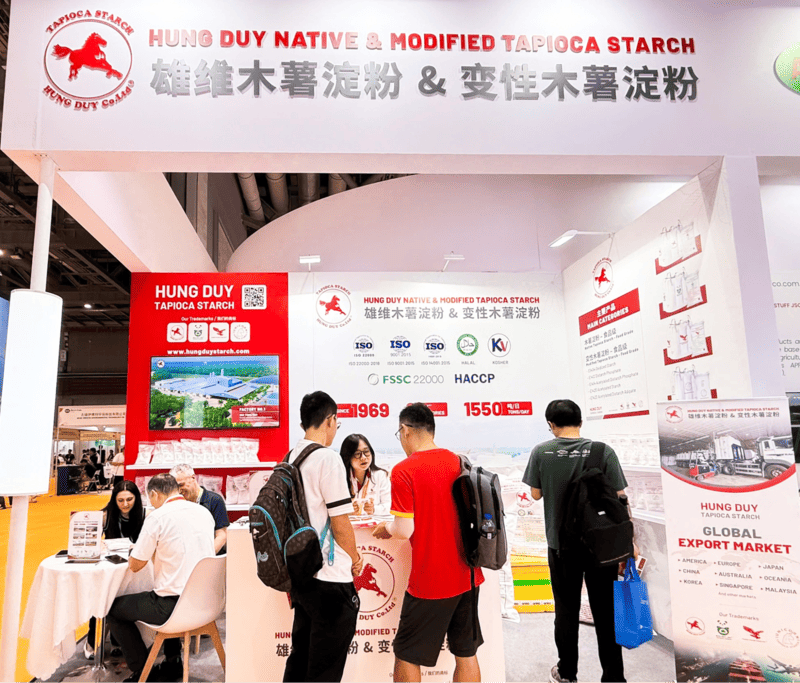
As evidence, Hung Duy consistently participates in major exhibitions such as Starch Expo 2025 (Shanghai), where it showcases its “100% Tay Ninh cassava” tapioca starch and modified starch product lines to international partners. These trade promotion activities help promote the quality of Vietnamese starch and affirm the competitiveness of its products in the global supply chain.
In summary, Vietnam’s cassava value chain is at a critical turning point, requiring stronger transformation—from expanding sustainable raw material areas and investing in deep processing technologies to proactively integrating into international markets. In this context, modified tapioca starch suppliers play a key role in enhancing product value and driving overall industry competitiveness.
With over half a century of development and a comprehensive ecosystem of production, logistics, and R&D, Hung Duy Starch continues to affirm its position as a leading enterprise, accompanying customers and partners in building a sustainable cassava starch supply chain in Vietnam.
If your business needs to optimize production formulas, secure a stable supply source, or seek consultation on selecting the right type of tapioca starch/modified tapioca starch that meets industry standards, please contact us directly for fast and accurate support.
- Domestic hotline: (+84) 913 320 365
- Export hotline: (+84) 909 917 141



Please log in to leave a comment.