

Modified Tapioca Starch

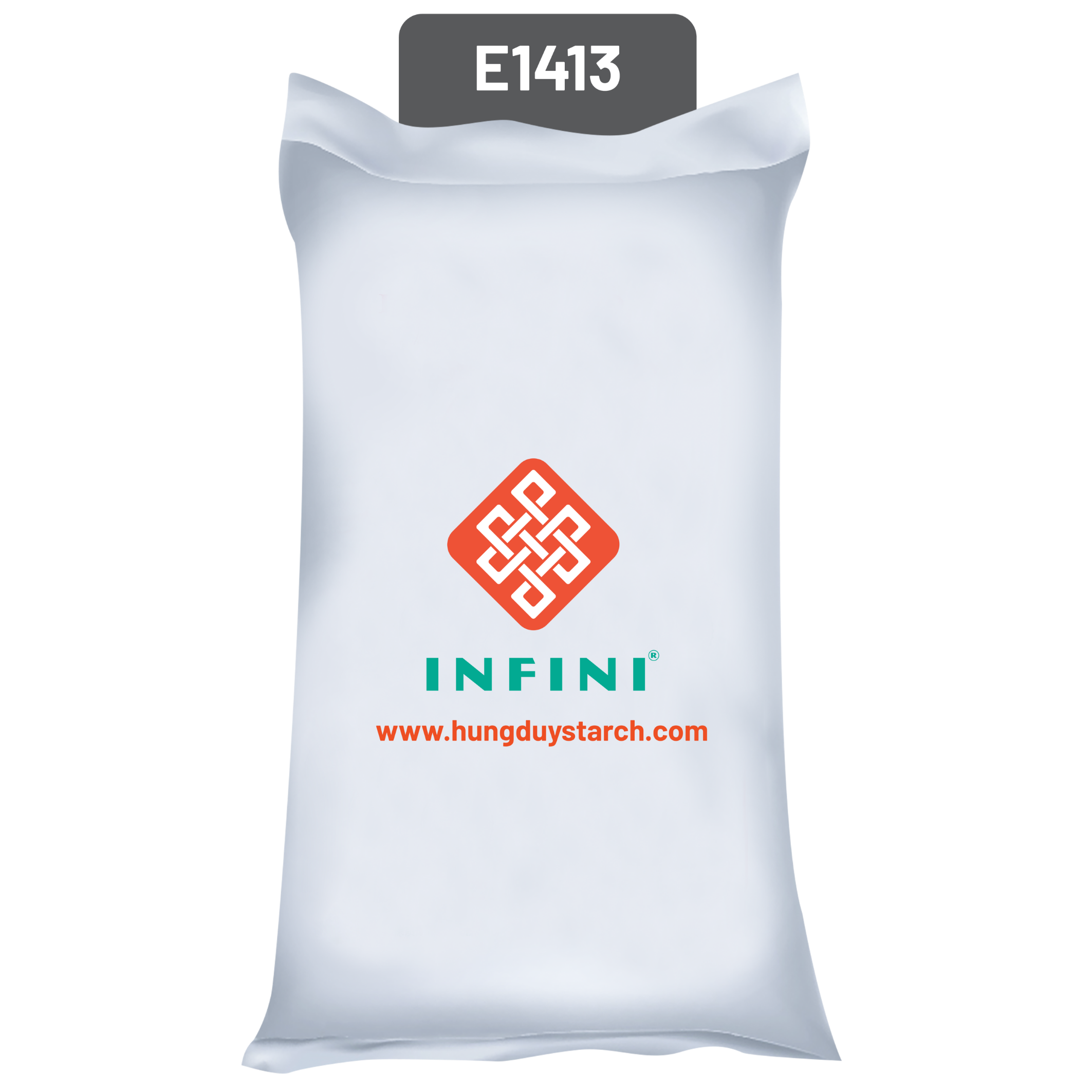
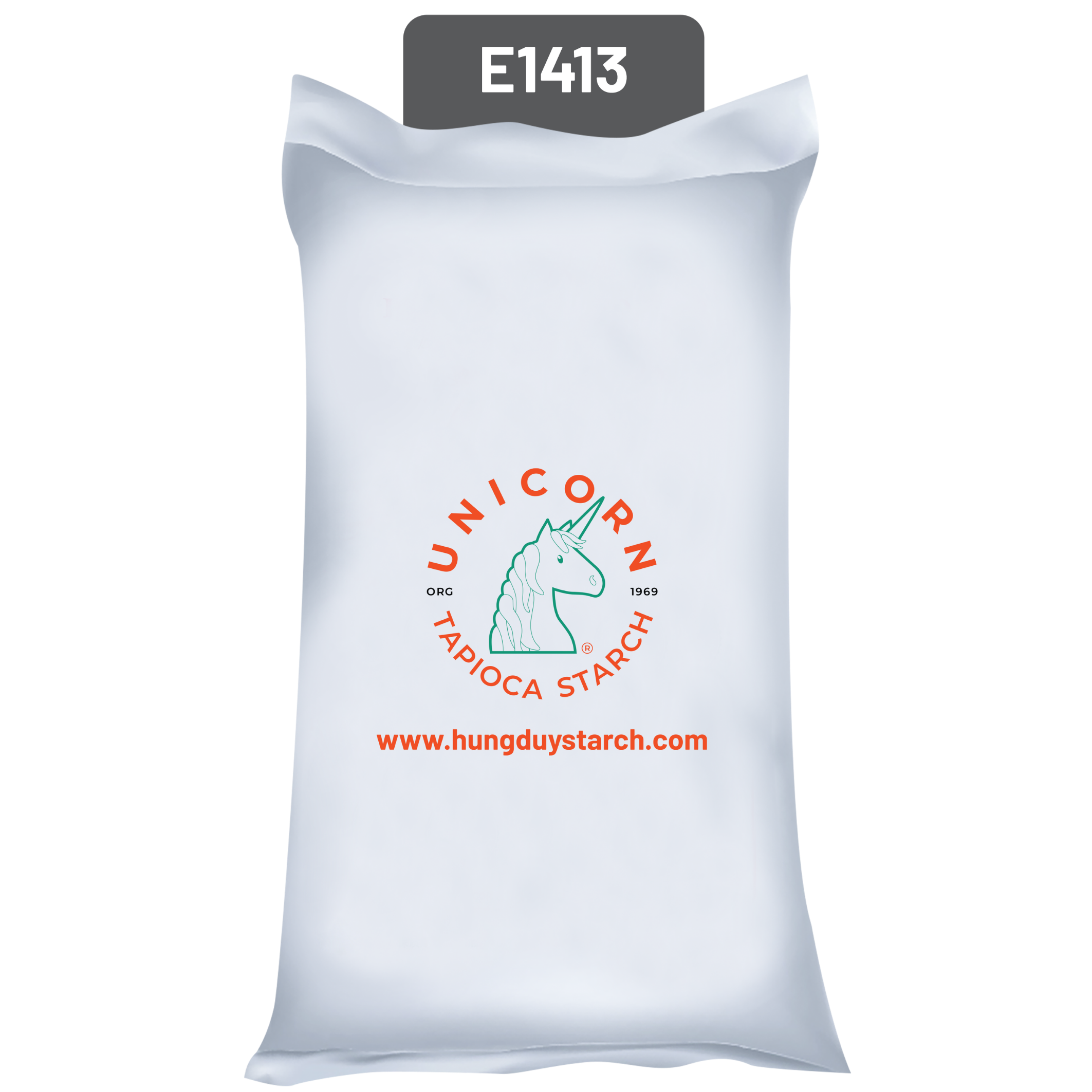
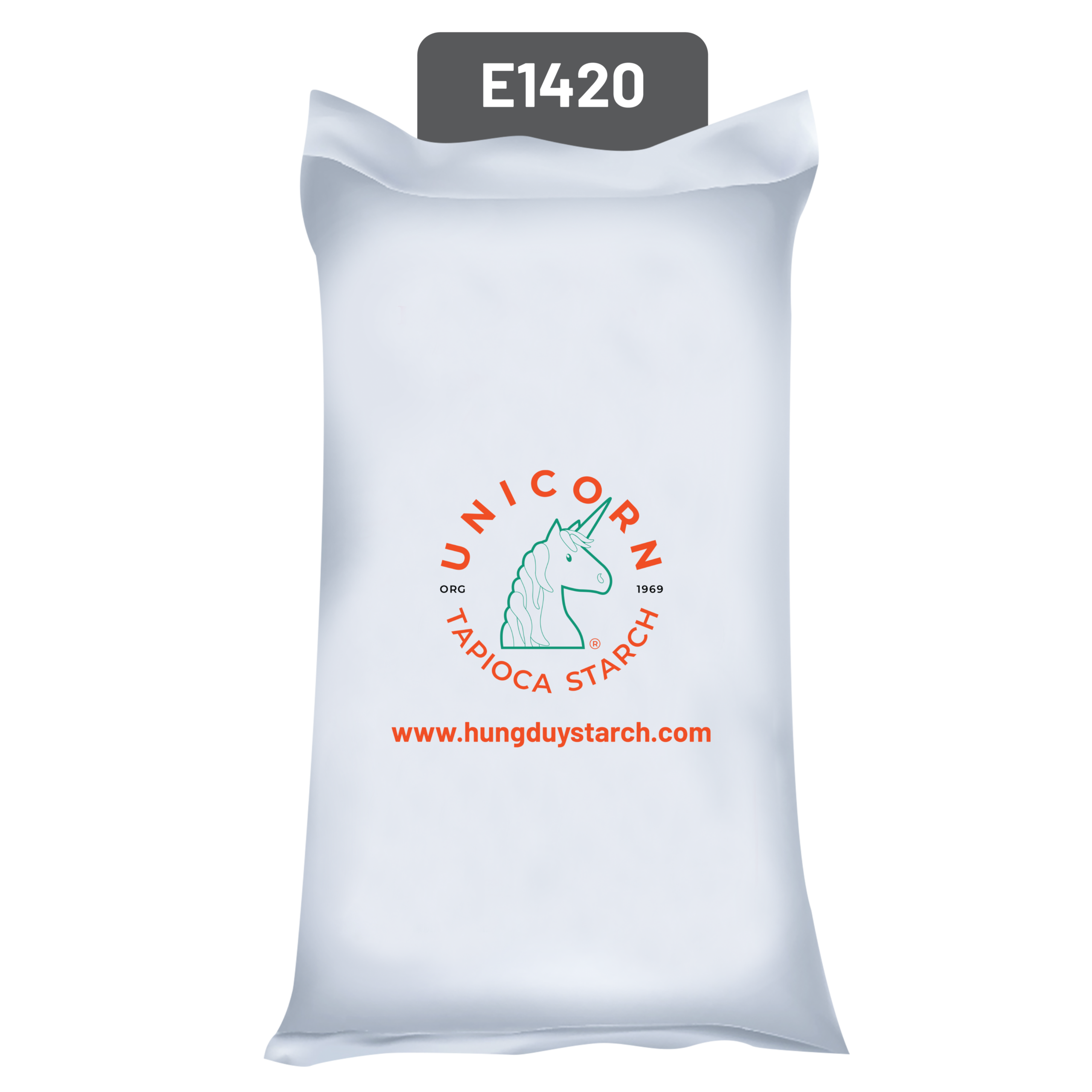
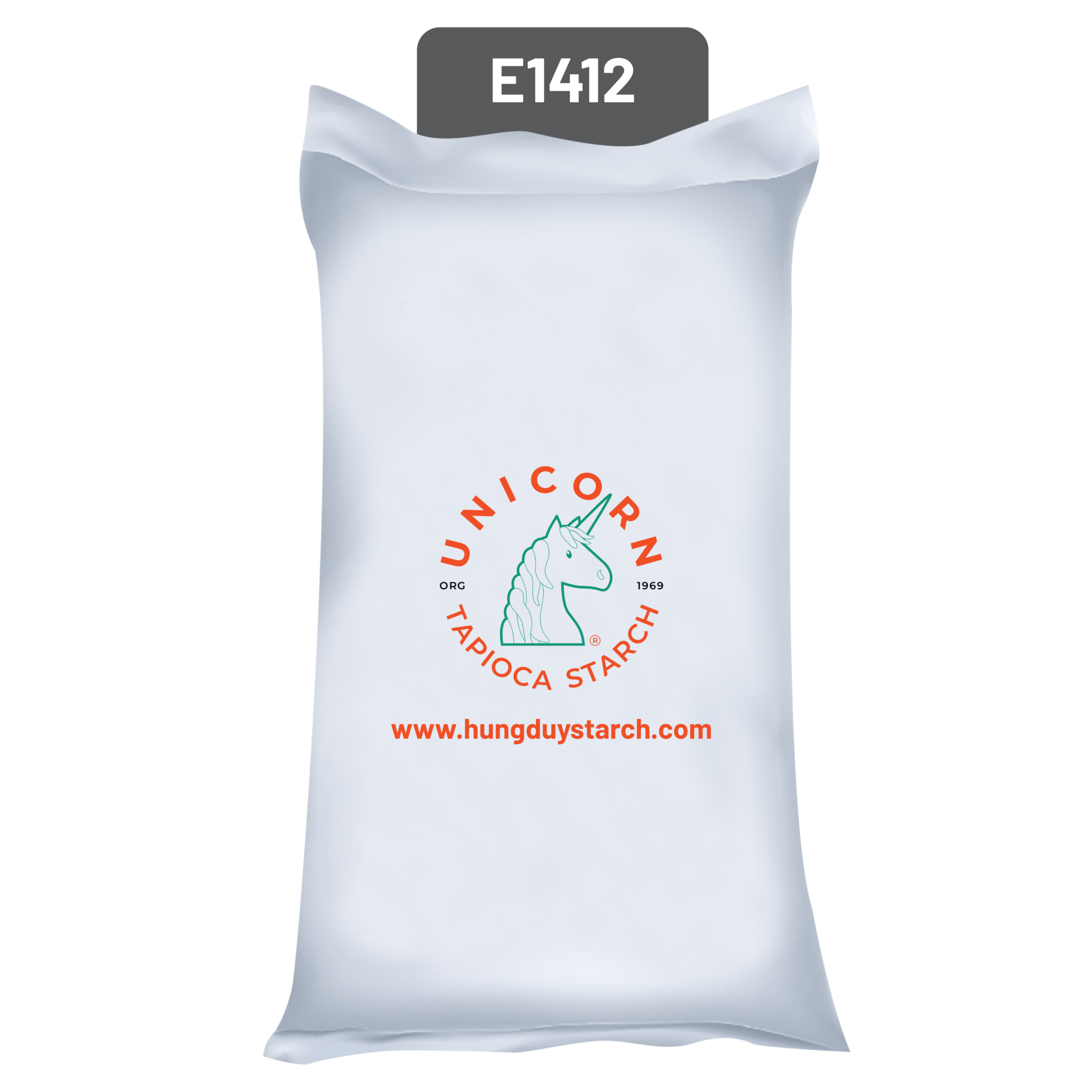
Modified Tapioca Starch is a product obtained through the intentional modification of native tapioca starch (derived from cassava roots) using one or more treatment methods, including physical, chemical, or enzymatic processes. The purpose of these modifications is to alter or enhance the natural properties of starch, making it more suitable for modern industrial processing and for food products requiring specific technical performance or higher quality standards.
In this article, Hung Duy Starch provides an overview of Modified Tapioca Starch, including its definition, common product types, key advantages, and practical applications across industrial and modern manufacturing sectors.
1. What Is Modified Tapioca Starch?
Modified Tapioca Starch, also known as modified cassava starch, is native tapioca starch that has been processed under controlled conditions to alter or improve one or more functional properties, such as heat resistance, syneresis control, viscosity, or binding performance. The modification of tapioca starch for industrial applications is generally carried out through three main approaches:
- Physical Modification: Uses heat, pressure, or drying processes to alter starch swelling behavior, solubility, and stability.
- Chemical Modification: Uses reagents such as phosphate, acetyl, or acid-based compounds to modify the molecular structure, improving heat resistance, pH stability, and resistance to water separation.
- Enzymatic Modification: Uses specific enzymes, including alpha-amylase, beta-amylase, glucoamylase, isoamylase, and pullulanase, to hydrolyze or modify starch molecules in order to control viscosity, gelatinization behavior, and other functional properties according to application requirements.
In addition, tapioca starch may also be modified through alkaline treatment or by combining multiple modification techniques. Depending on the intended application, these processes can be tailored to achieve specific functional characteristics and technical performance requirements.
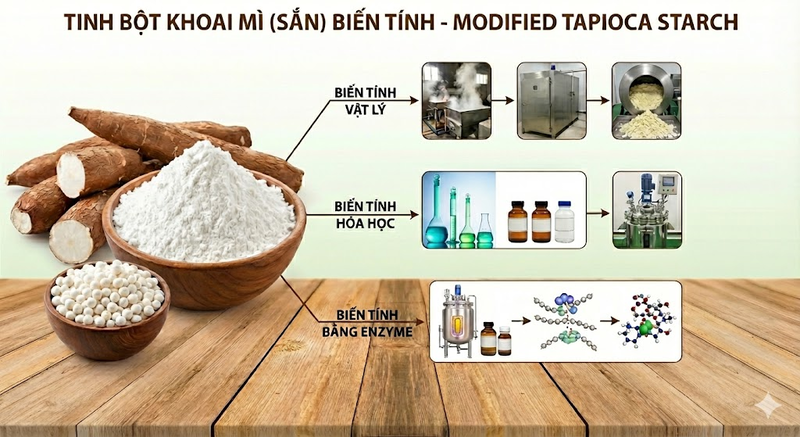
In essence, Modified Tapioca Starch is still derived from native tapioca starch extracted from cassava roots. However, its functional properties are optimized to meet specific performance requirements in food processing and various industrial applications. The production of industrial modified tapioca starch is a complex process that requires not only advanced technology and manufacturing expertise but also proprietary formulations, process know-how, and application experience.
*Note: The terms cassava, manioc, and yuca all refer to the same plant species. Different names are commonly used in different regions and markets around the world.
2. Advantages of Food-Grade Modified Tapioca Starch
Native tapioca starch has relatively limited functionality in certain processing applications. Its viscosity may not always provide the desired thickening or binding performance, while its stability under high temperatures, intensive mixing, acidic conditions, or repeated freeze-thaw cycles can be insufficient for demanding manufacturing processes. These limitations may lead to undesirable changes in product texture, appearance, and overall quality.
Modified Tapioca Starch is specifically designed to overcome these challenges. Through controlled modification, the functional performance and versatility of tapioca starch can be significantly enhanced for a wide range of applications:
- Maintains stable viscosity without excessive thinning during prolonged heating or repeated heating-cooling cycles.
- Preserves product structure during UHT processing, sterilization, canning, and high-shear processing operations.
- Resists breakdown and syneresis under acidic conditions, refrigerated storage, and freeze-thaw cycles.
- Allows flexible texture customization, including viscosity, chewiness, crispness, and clarity, according to product requirements.
- Improves water retention and reduces lump formation, supporting product stability during storage and processing.
- Enables tailored gelatinization temperatures, helping manufacturers optimize energy consumption and adapt to existing processing equipment.
>>> READ MORE: Why Is Modified Tapioca Starch Essential in Modern Manufacturing?
3. Common Types of Modified Tapioca Starch Used in Industry
In food and industrial manufacturing, Modified Tapioca Starch is available in various forms depending on the modification process and desired functional properties. Common types include:
- Pregelatinized Tapioca Starch: Pre-gelatinized and dried tapioca starch that disperses in cold water, providing a clear and viscous solution and forming a gel upon heating.
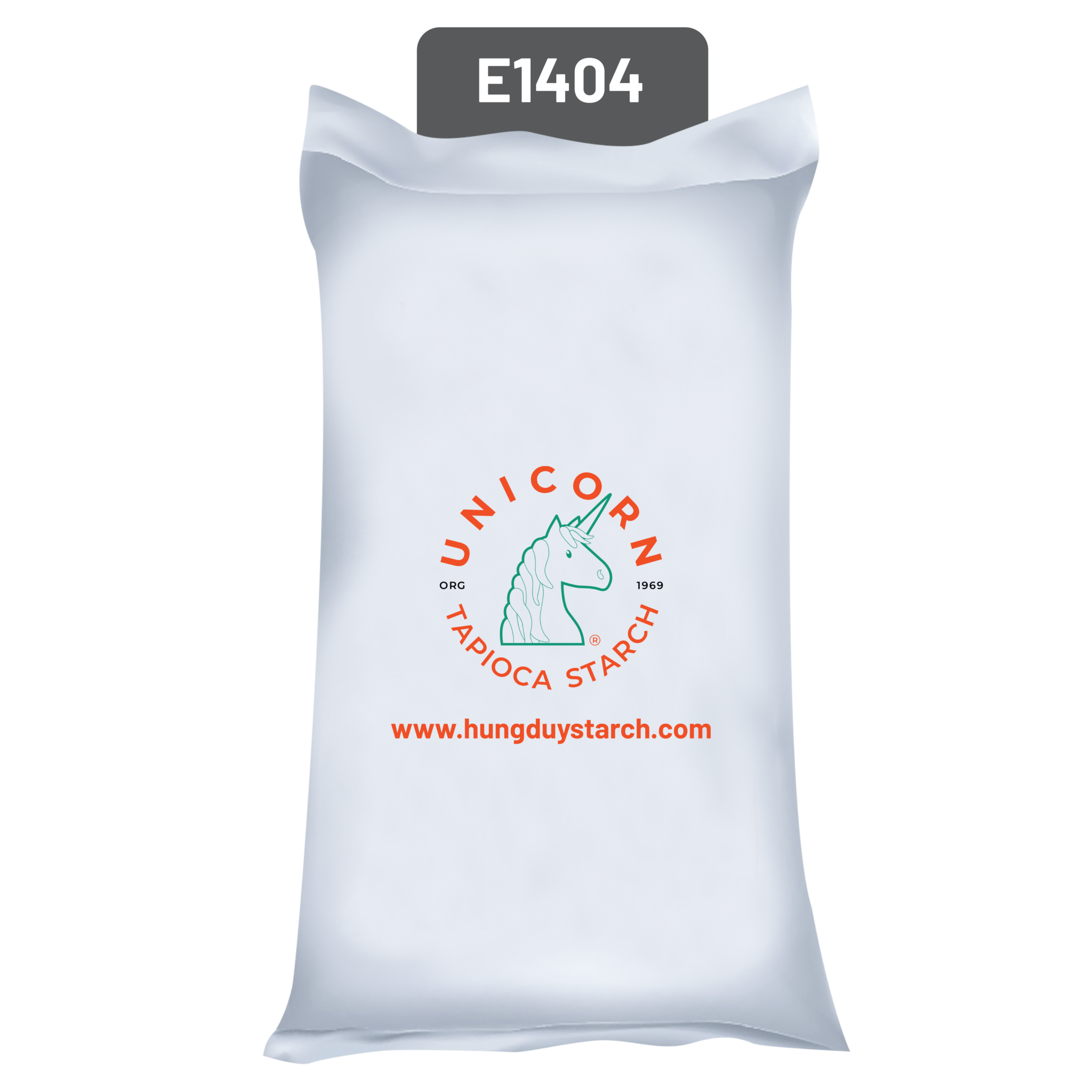
- E1404 – Oxidized Starch: Modified through oxidation to improve the molecular structure of starch, providing low viscosity, high clarity, enhanced stability, good film-forming properties, and rapid thickening performance.
- E1412 – Distarch Phosphate: A cross-linked starch with improved resistance to high temperatures, acidic conditions, and mechanical shear.
- E1413 – Phosphated Distarch Phosphate: A phosphated cross-linked starch that enhances viscosity stability, improves water retention, controls swelling, and maintains structural integrity under high-temperature, acidic, and high-shear processing conditions.
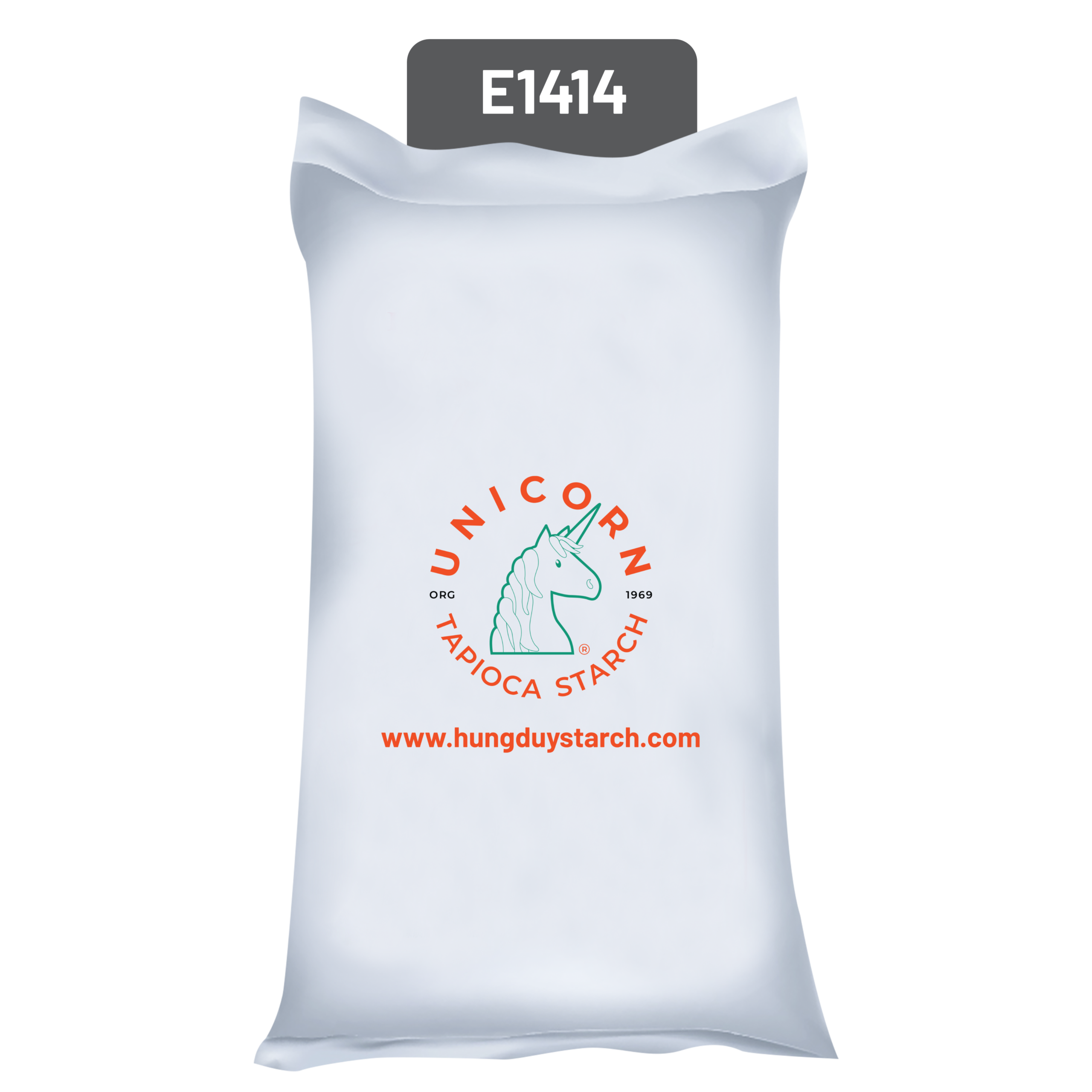
- E1414 – Acetylated Distarch Phosphate: Combines acetylation and cross-linking to provide freeze-thaw stability while maintaining a smooth texture, high clarity, and attractive appearance.
- E1420 – Acetylated Starch: Modified with acetyl groups to lower the gelatinization temperature and improve moisture retention, clarity, and smooth texture.
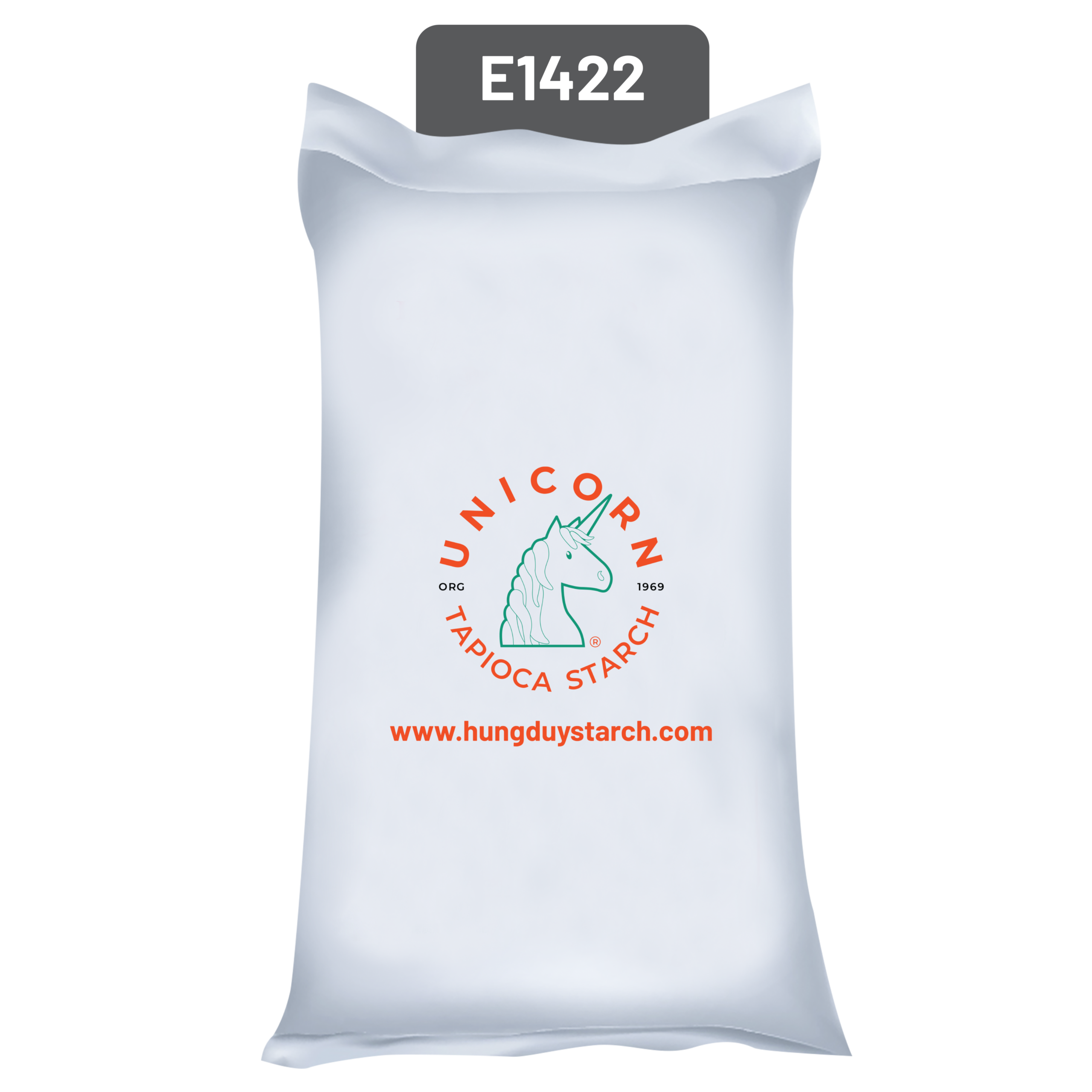
- E1422 – Acetylated Distarch Adipate: A dual-modified starch produced through chemical modification, offering enhanced heat resistance, improved structural strength, excellent shear resistance, and outstanding stability under a wide range of processing conditions.
- E1440 – Hydroxypropyl Starch: An etherified starch with a lower gelatinization temperature, providing improved flexibility, strong binding properties, and good stability during mixing and refrigerated storage.
- E1442 – Hydroxypropyl Distarch Phosphate: Combines hydroxypropylation and cross-linking to deliver outstanding freeze-thaw stability, reduced syneresis, and long-lasting texture stability.
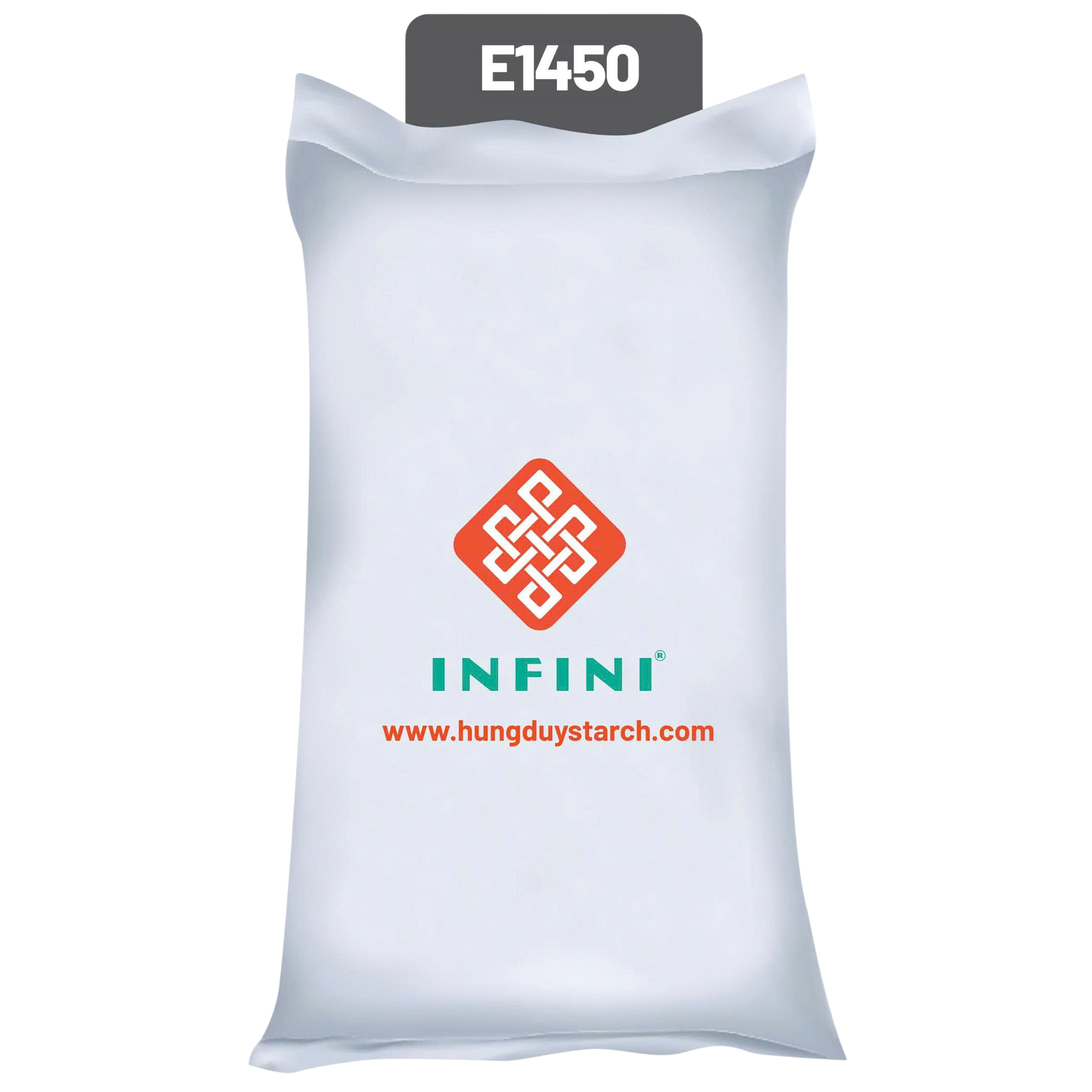
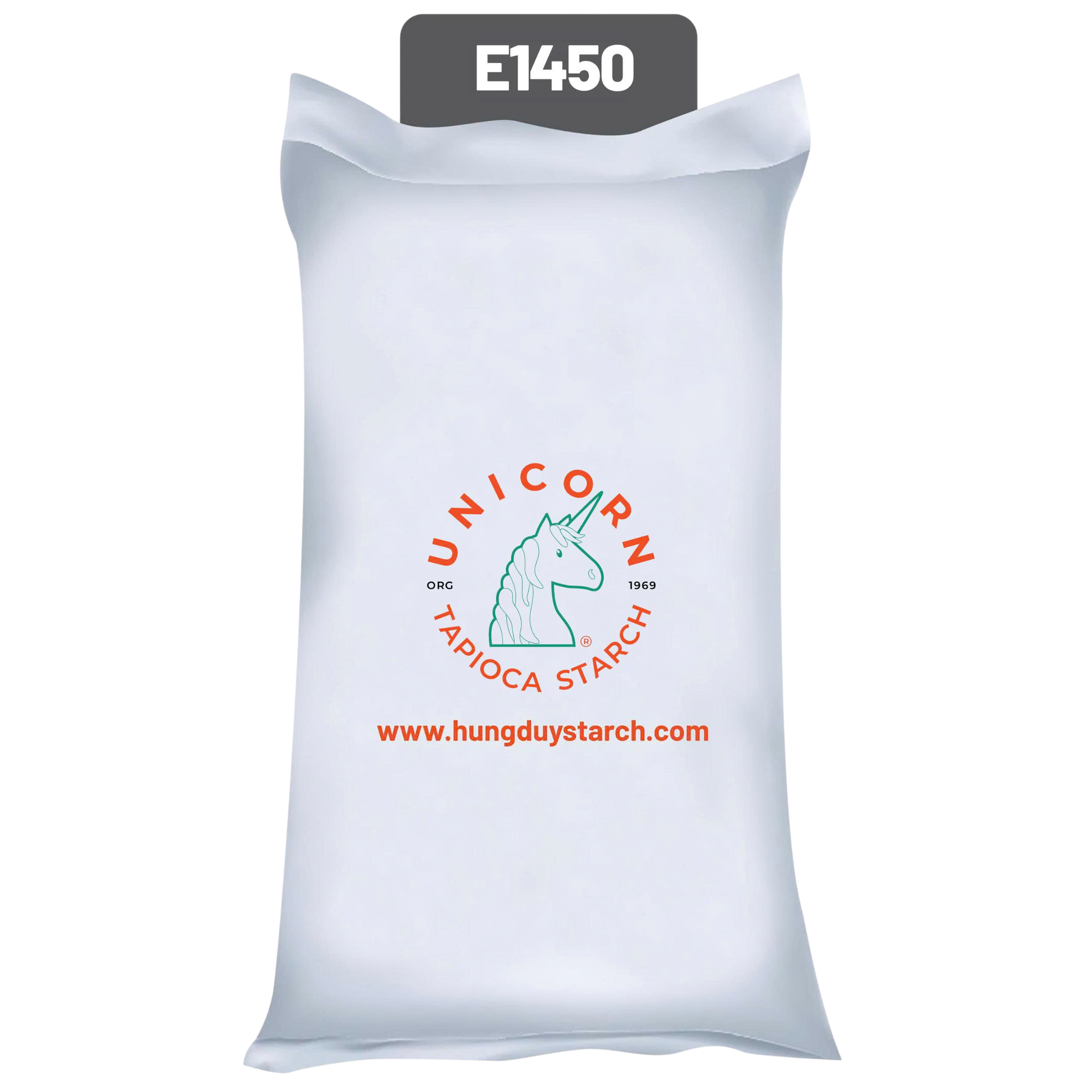
- E1450 – Sodium Starch Octenyl Succinate: An OSA-modified starch with excellent emulsifying properties, supporting flavor retention, color stability, and uniform dispersion in beverages and liquid systems.
4. Applications of Modified Tapioca Starch
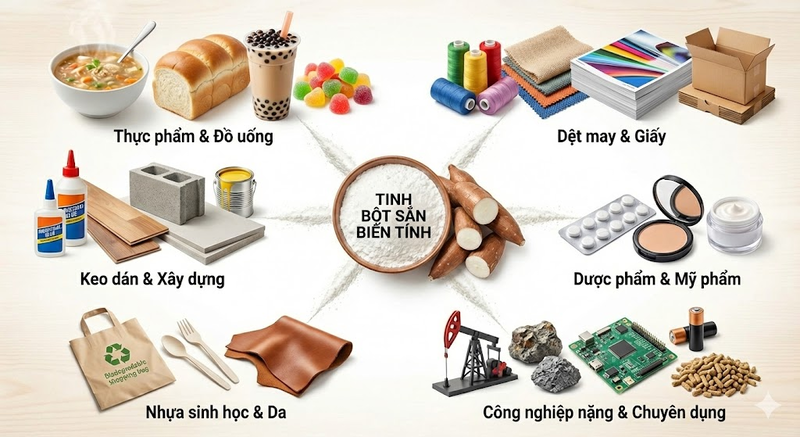
Modified Tapioca Starch is widely used across numerous industries, particularly in applications requiring enhanced functional performance and technical reliability. Depending on the modification method, it can be tailored to meet a variety of processing and product requirements.
Common application areas include:
- Food and Beverage Industry: Used as a thickener, texture enhancer, stabilizer, binder, and anti-caking agent in soups, sauces, confectionery, noodles, rice noodles, pho, tapioca pearls, puddings, and convenience foods. It is also used in the production of hydrolyzed sweeteners for soft drinks, beer, and fermented products.
- Paper and Packaging Industry: Improves paper strength, enhances printability, and functions as a surface sizing agent or retention aid during paper manufacturing.
- Textile Industry: Used in yarn sizing to improve yarn strength and processing efficiency, while also supporting textile printing and dyeing operations.
- Adhesives and Binder Industry: Serves as a key ingredient in paper adhesives, corrugated packaging adhesives, wood adhesives, and various industrial adhesive formulations.
- Pharmaceutical and Cosmetic Industry: Functions as a pharmaceutical excipient in tablet manufacturing and as a stabilizer in cosmetic formulations.
- Biodegradable Plastics Industry: Used in the production of biodegradable films and sustainable packaging materials.
- Animal Feed Industry: Applied as a binding ingredient in feed production, helping improve pellet durability, reduce dust, and provide a digestible energy source for livestock.
- Other Industrial Applications: Used in printing inks, construction materials (including concrete, bricks, cement, ceramics, gypsum products, and plywood), tire manufacturing, mining, and various industrial processes.
Thanks to its ability to deliver tailored functional performance, Modified Tapioca Starch continues to gain importance across modern industrial sectors and high-standard manufacturing applications worldwide.
5. Hung Duy Starch – A Leading Manufacturer, Supplier, and Exporter of Modified Tapioca Starch
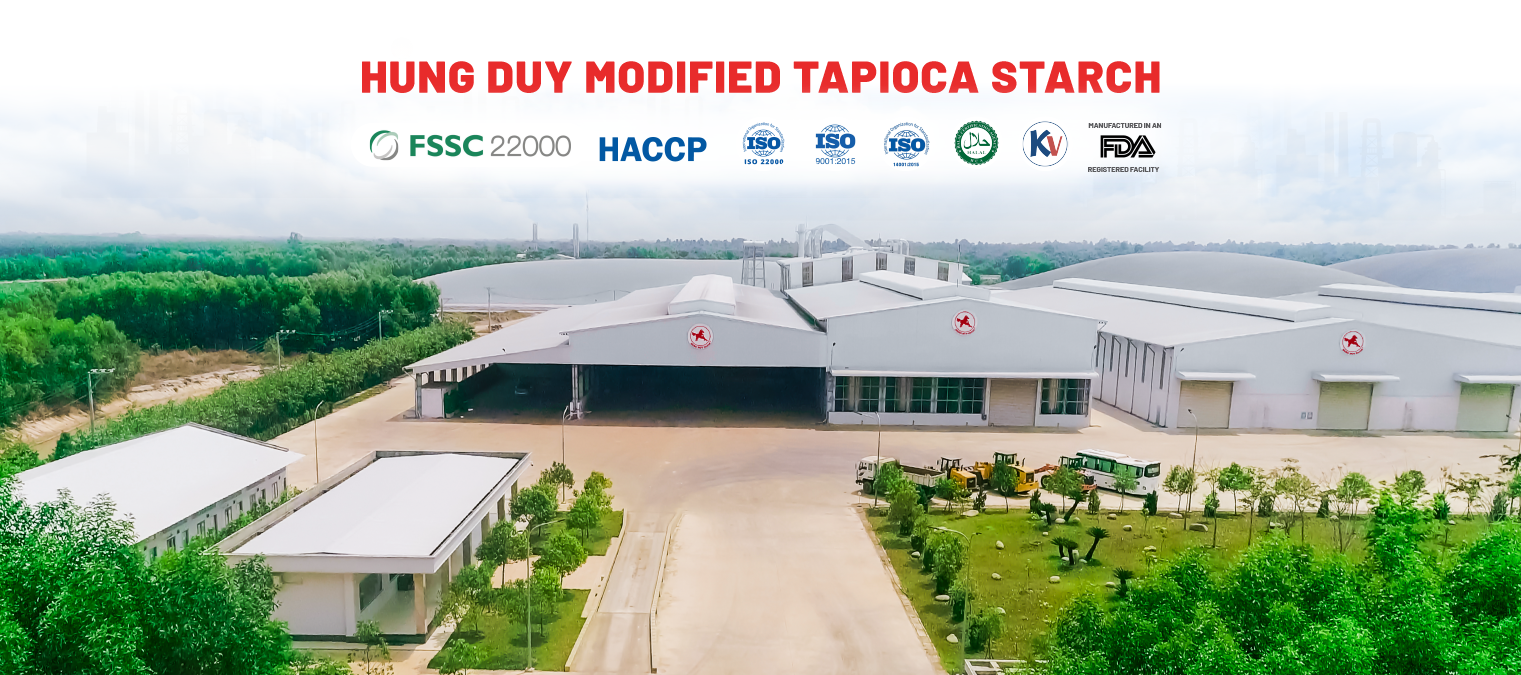
Hung Duy Starch is one of Vietnam’s leading manufacturers and exporters of Modified Tapioca Starch, supplying raw materials to a wide range of industrial sectors and customers in both domestic and international markets.
Operating a modern modified tapioca starch production facility in Tay Ninh Province equipped with advanced manufacturing technology, Hung Duy Starch combines technological expertise with extensive industry experience to deliver strong R&D and production capabilities. The company offers a diverse portfolio of modified tapioca starch products designed to meet specific technical requirements and quality standards across a broad range of applications.
Hung Duy Starch’s modified tapioca starch products are exported to some of the world’s most demanding markets, including the United States, Japan, Europe, Spain, South Korea, and other international destinations.
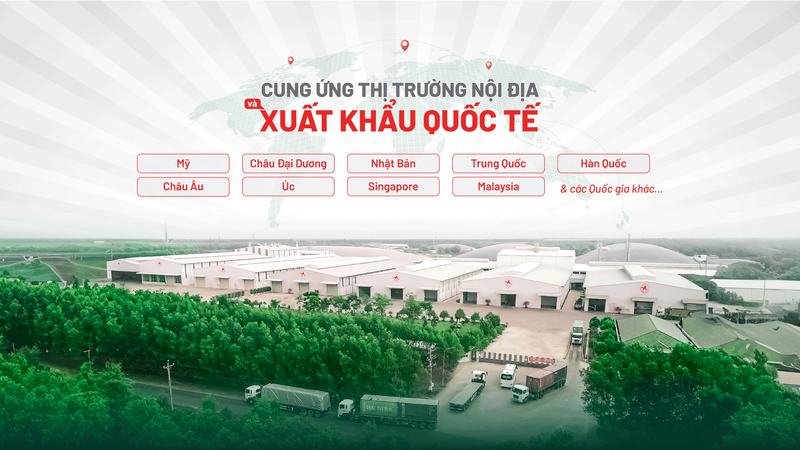
Key Strengths of Hung Duy Starch Modified Tapioca Starch Supplier in Vietnam:
- Manufacturing and R&D Capabilities: Large-scale production facilities combined with advanced product development capabilities enable Hung Duy Starch to provide a diverse range of modified starch solutions tailored to customer requirements and technical specifications.
- International Trade Expertise: As one of the world’s leading exporters of tapioca starch products, Hung Duy Starch has more than 30 years of experience in international trade and import-export operations. The company maintains extensive global supply networks and serves customers across major markets in Asia, the Americas, Europe, and Oceania.
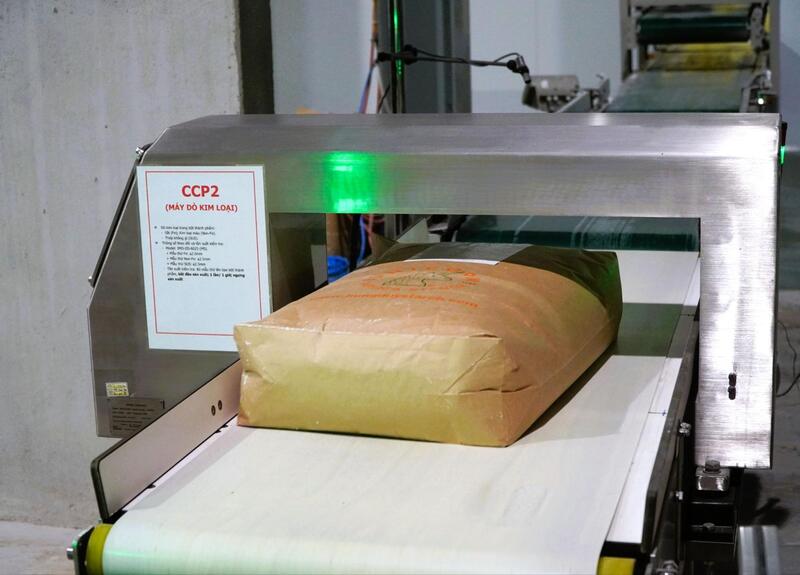
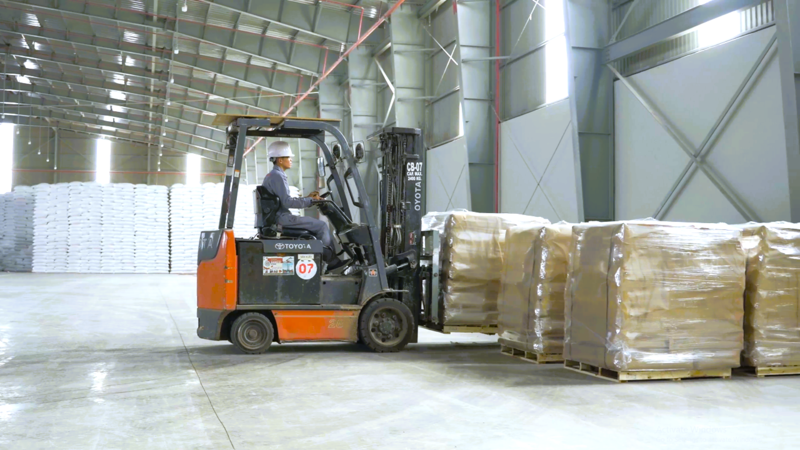
- Large-Scale and Reliable Supply Capacity: Hung Duy Starch’s native and modified tapioca starch manufacturing facilities are strategically located within Tay Ninh’s key cassava-growing region. Through long-term sourcing partnerships with local farmers and procurement networks in Cambodia, the company maintains a stable raw material supply. Combined with large-scale warehousing infrastructure and professional logistics capabilities, Hung Duy Starch provides reliable year-round supply solutions while helping customers reduce supply chain risks.
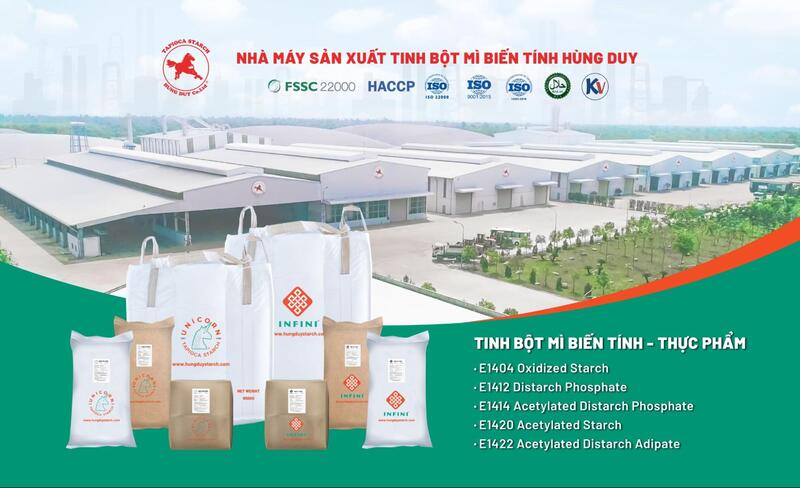
Modified Tapioca Starch – Food Grade by Hung Duy Starch:
- E1404 – Oxidized Starch
- E1412 – Distarch Phosphate
- E1413 – Phosphated Distarch Phosphate
- E1414 – Acetylated Distarch Phosphate
- E1420 – Acetylated Starch
- E1422 – Acetylated Distarch Adipate
- E1450 – Sodium Starch Octenyl Succinate
Contact Us for Technical Consultation, Samples, and Purchasing Information:
- Ms. Le Bao Uyen: (+84) 919 998 997 | Email: uyenle@hungduy.com
- Mr. Michael Yoong: (+84) 916 611 369 | Email: michael.yoong@hungduy.com