

Native Tapioca Starch
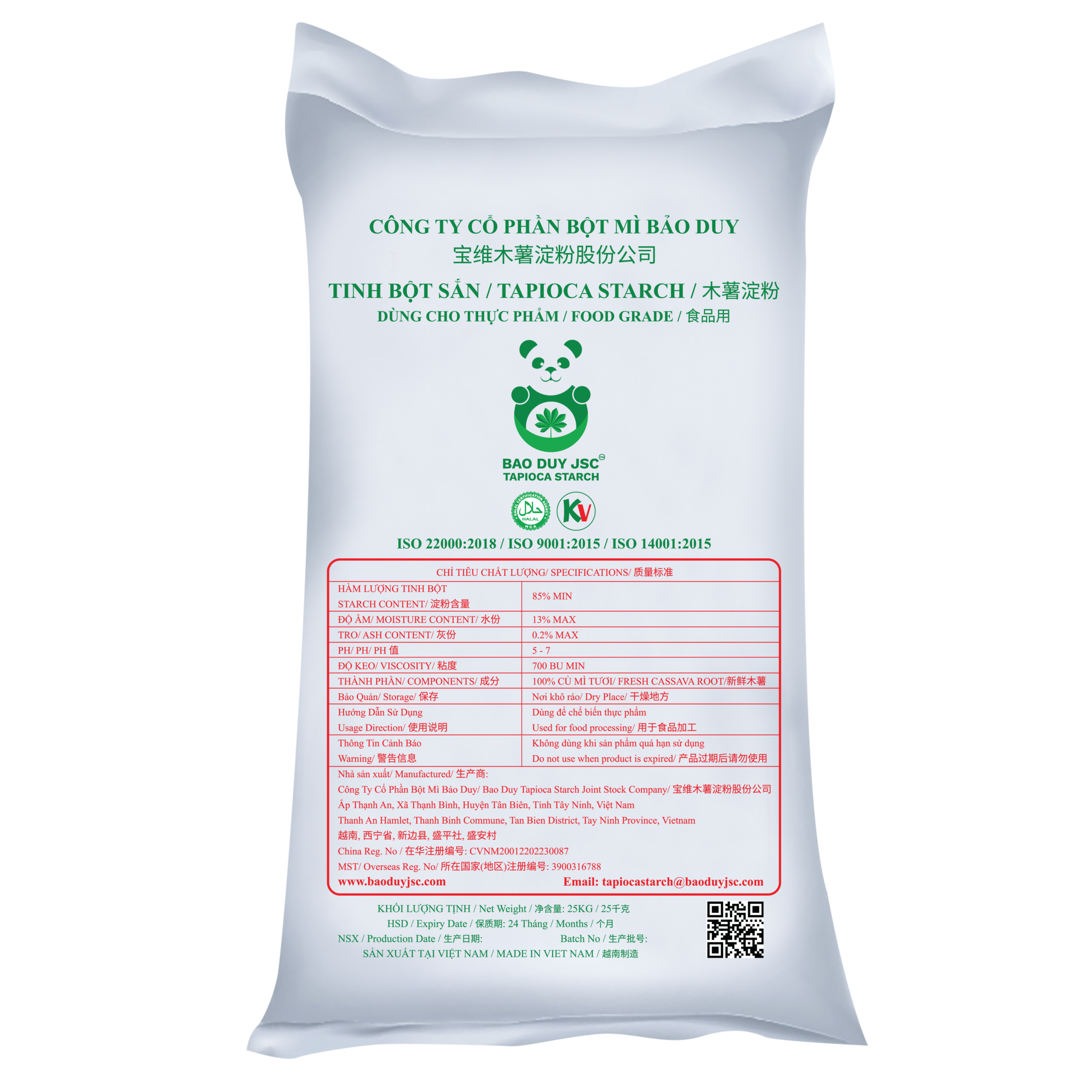
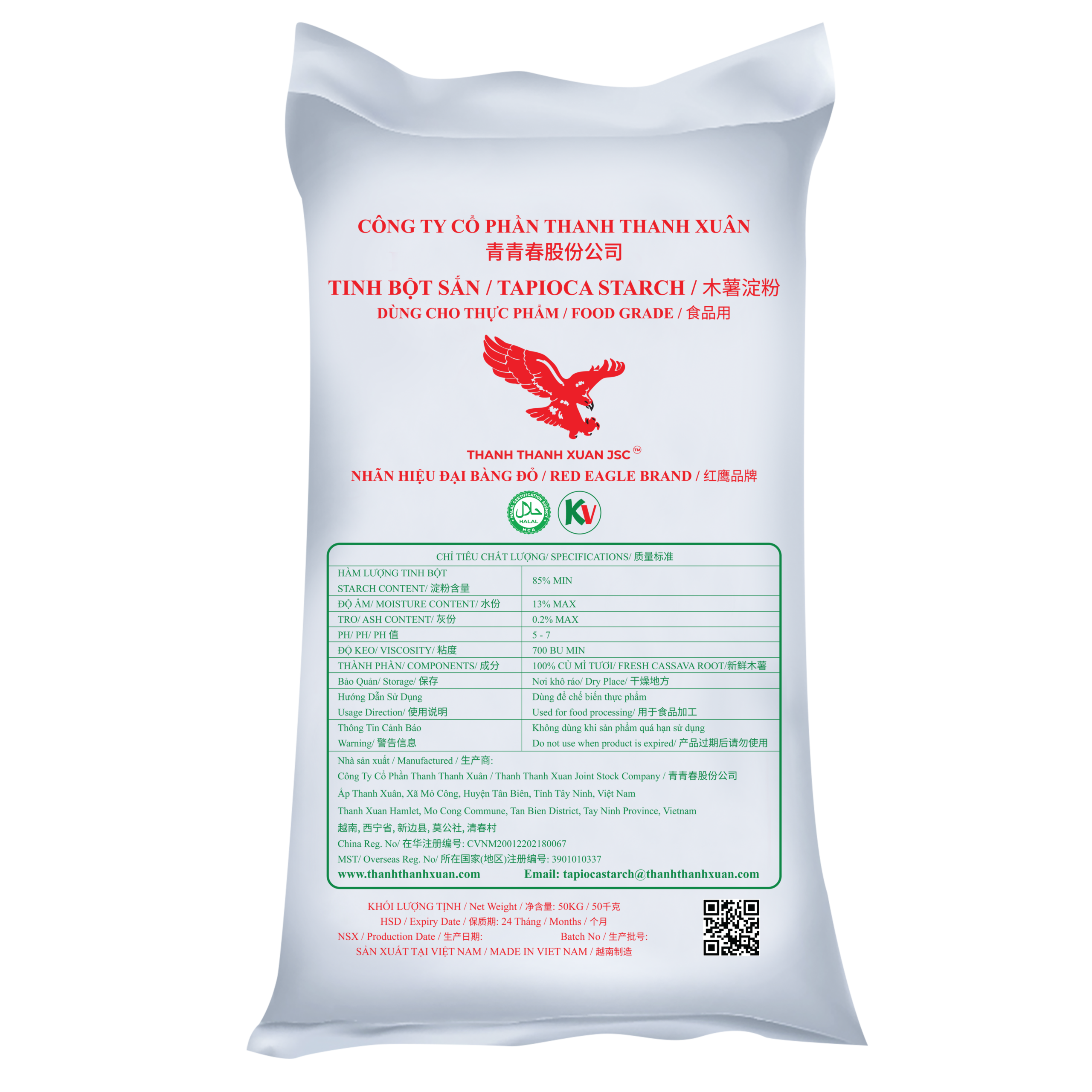
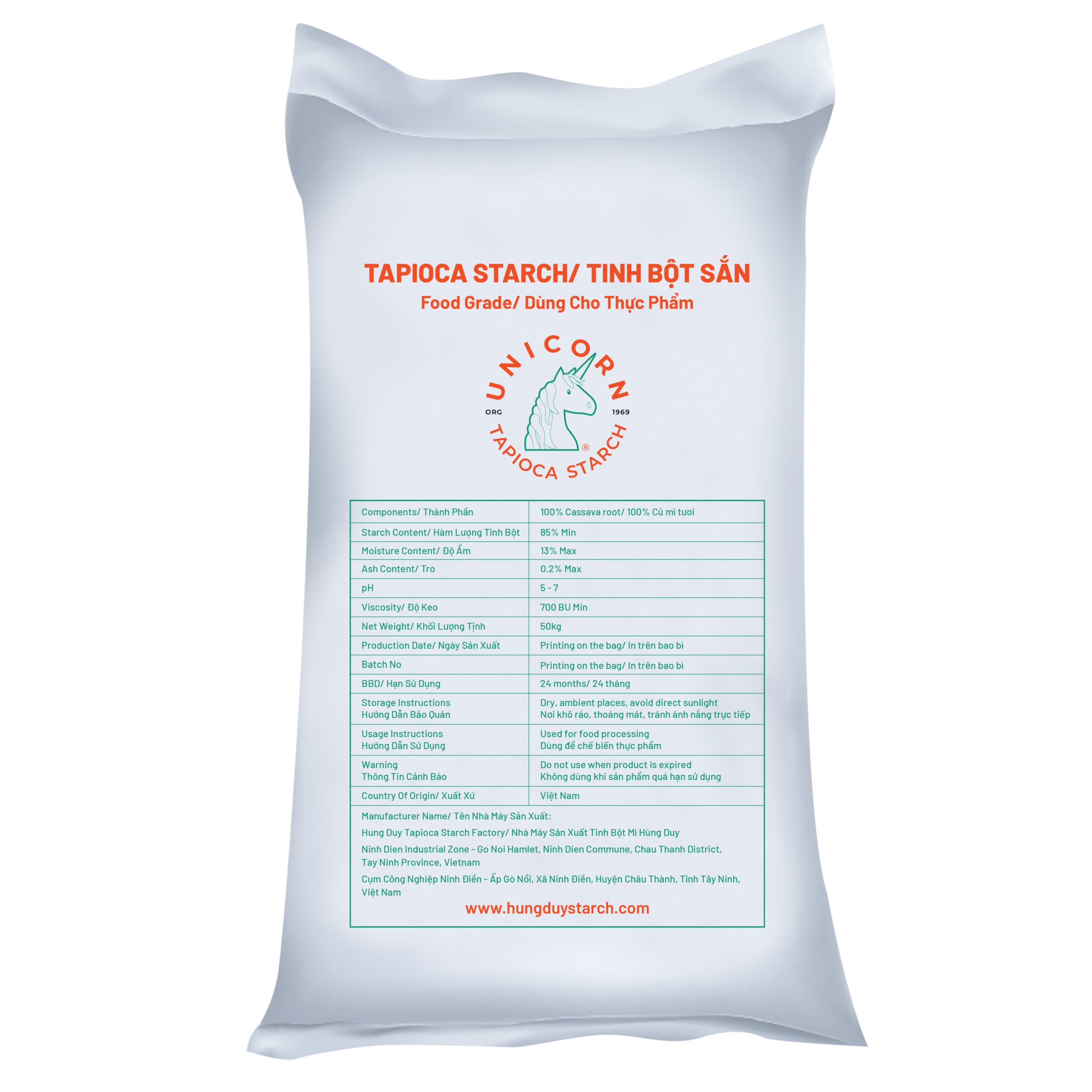
Tapioca Starch is an important ingredient across a wide range of industries due to its thickening, binding, and stabilizing properties. With its high whiteness, neutral taste, and versatile functionality, tapioca starch is widely used in numerous manufacturing applications.
In this article, Hung Duy Starch provides an overview of the characteristics, applications, and key advantages of tapioca starch in industrial production.
1. What Is Tapioca Starch?
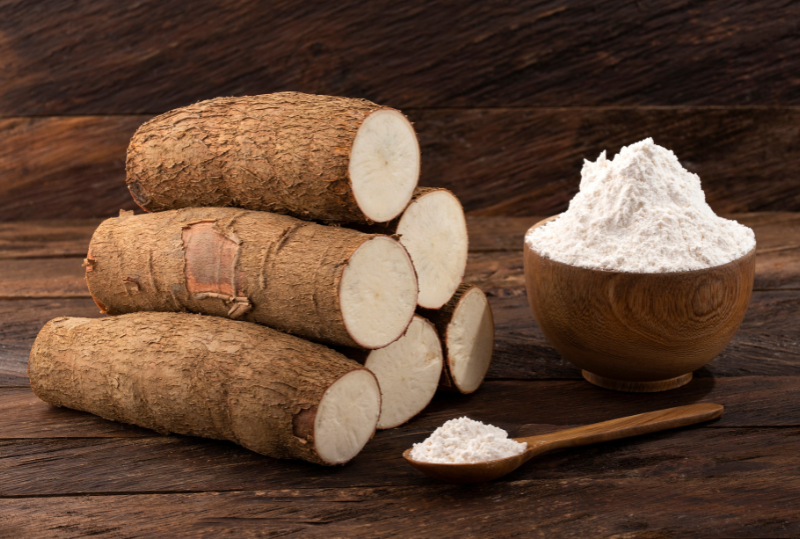
Tapioca Starch, also known as cassava starch, is a fine white starch powder extracted entirely from fresh cassava roots through a process of washing, grinding, fiber separation, starch extraction, purification, and drying. The resulting product is a highly refined starch widely used in food and industrial applications. In international trade, it is commonly referred to as either Tapioca Starch or Cassava Starch.
Note: In some non-technical sources, tapioca starch may occasionally be confused with refined flour, kudzu starch, or wheat flour. However, these are entirely different ingredients with distinct compositions, functional properties, and industrial applications.
>>> READ MORE: Why Is Modified Tapioca Starch Essential in Modern Manufacturing?
2. Key Characteristics of Tapioca Starch
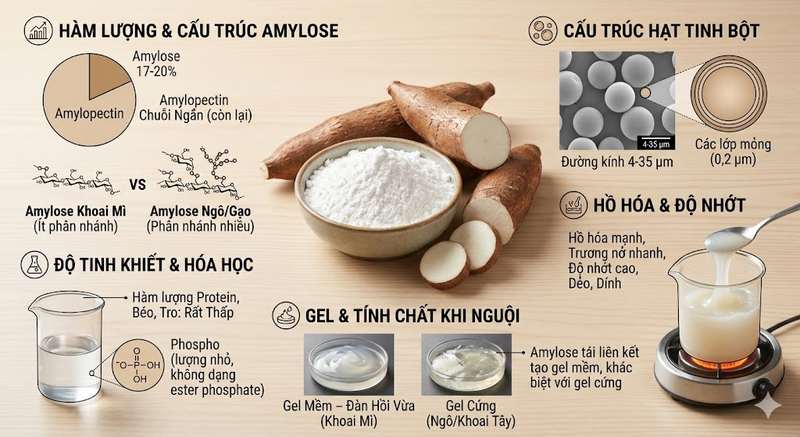
- Tapioca starch typically contains 17 – 20% amylose, with the remainder consisting primarily of short-chain amylopectin and only trace amounts of very long-chain fractions.
- Tapioca starch granules are generally spherical with smooth surfaces and diameters ranging from 4 to 35 μm, consisting of multiple thin layers approximately 0.2 μm thick.
- Tapioca starch exhibits high purity, with very low levels of protein, fat, and ash.
- It contains a small amount of phosphorus, although not in the form of phosphate esters as found in potato starch.
- When heated in water, tapioca starch gelatinizes readily, with rapid granule swelling and the formation of a highly viscous, cohesive paste.
- Upon cooling, the amylose fraction reassociates to form a soft and moderately elastic gel, distinguishing tapioca starch from the firmer gels typically formed by corn or potato starch.
3. What Is the Difference Between Cassava Flour and Tapioca Starch?
Cassava flour and tapioca starch differ primarily in their degree of processing, composition, and functional applications. The following comparison highlights the key differences between these two cassava-derived ingredients.
| Criteria | Cassava Flour | Tapioca Starch |
| Definition | A minimally processed flour produced by grinding whole cassava roots while retaining much of the root’s natural structure | A highly refined starch extracted from cassava roots, with fiber and other non-starch components removed |
| Production Process | Washing → Grinding → Sieving → Drying (retaining much of the natural root structure) | Grinding → Fiber separation → Repeated washing and purification → Filtration → Drying |
| Composition | Contains starch, fiber, and small amounts of protein and other naturally occurring components | Consists almost entirely of purified starch |
| Structure | Retains the characteristics of natural cassava flour, including fiber and other organic materials | Composed of purified starch granules with excellent dispersibility, strong gelatinization properties, and high viscosity |
| Primary Applications | Used in cooking, baking, traditional foods, and household applications | Used as a thickener, stabilizer, and binder in food, beverage, pharmaceutical, paper, textile, adhesive, and biodegradable packaging industries |
4. What Are the Advantages of Tapioca Starch Produced in Tay Ninh?
Tay Ninh is one of Vietnam’s largest cassava-growing regions, benefiting from favorable soil conditions and a stable warm climate. As a result, cassava productivity in the province consistently ranks among the highest in the country, averaging approximately 33.2 metric tons per hectare during the 2021 – 2024 period.
Cassava roots grown in Tay Ninh typically contain a starch content of around 28 – 30%, providing high extraction yields and consistent whiteness suitable for a wide range of industrial applications. The province also actively promotes disease-resistant cassava varieties, helping maintain stable raw material quality across growing seasons.
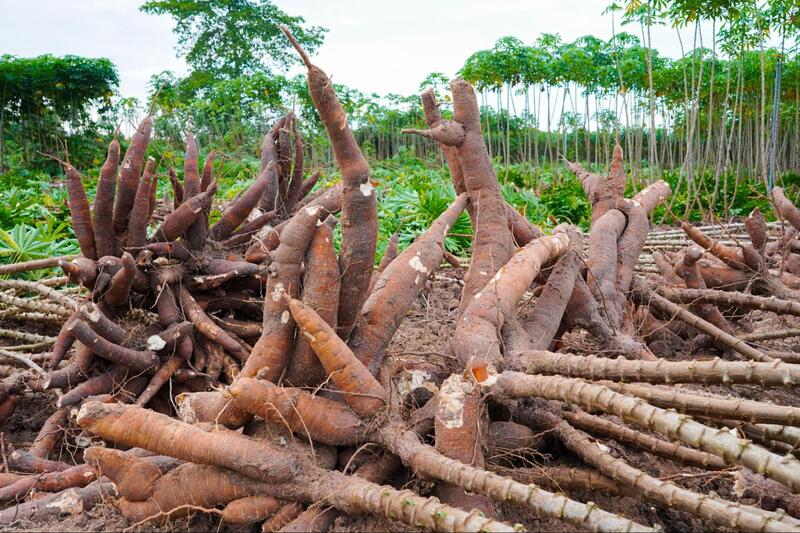
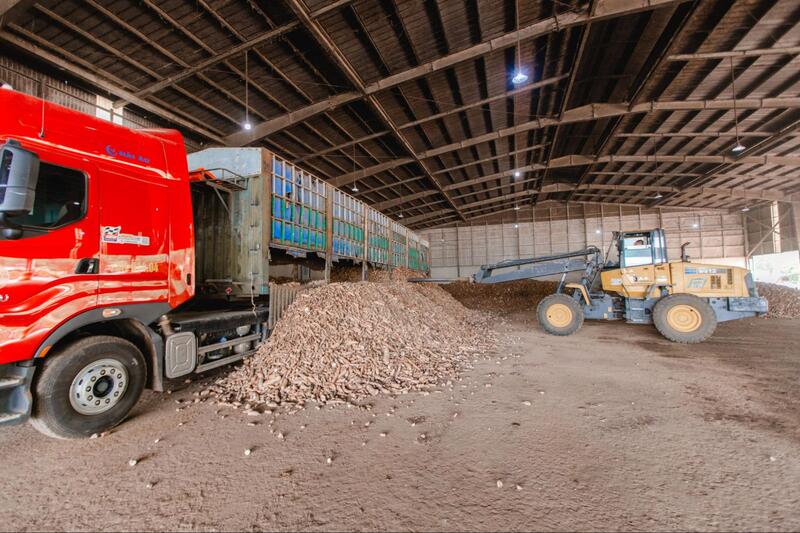
By directly owning and operating modern production facilities located within Tay Ninh’s cassava-growing region, Hung Duy Starch benefits from access to abundant, high-quality raw materials and the ability to process fresh cassava roots shortly after harvest. This is one of the key factors contributing to the superior starch content, whiteness, viscosity, and overall quality of Hung Duy tapioca starch products.
In addition, Hung Duy Starch maintains long-term sourcing partnerships with farmers, helping ensure a stable raw material supply for its production facilities. The company also sources cassava directly from Cambodia, supporting large-scale manufacturing capacity and year-round supply continuity.
5. Applications of Food Grade and Industrial Tapioca Starch
Native Tapioca Starch is widely used due to its neutral taste, good stability, gluten-free nature, and ability to replace various starches in a cost-effective manner. Key application areas include:
- Food Industry: Improves texture and clarity in noodles, rice noodles, vermicelli, pho, and rice paper; enhances structure and moisture retention in bread, cakes, biscuits, and gluten-free products; functions as a thickener in soups, sauces, and canned foods; contributes crispness and expansion in snack products; improves binding in processed meat products; serves as the primary ingredient for tapioca pearls; and is used in dextrin production.
- Paper Industry: Used as a filler, binder, and surface coating agent to improve paper smoothness, gloss, strength, and performance in paper and ash-free paperboard production.
- Textile Industry: Applied in yarn sizing and fabric finishing to improve strength, appearance, and wrinkle resistance; also functions as a thickener in dyeing processes and as a natural binder in textile lamination and bonding.
- Adhesives and Binders: Used in packaging adhesives, corrugated board adhesives, bookbinding adhesives, envelope and label adhesives, wood adhesives, hot-melt adhesives, laminating adhesives, and various starch-based industrial adhesive systems.
- Pharmaceutical Industry: Functions as a filler, disintegrant, and tablet binder; stabilizes syrups and suspensions; is used in tablet coating systems and fast-disintegrating dosage forms; and is applied in creams, ointments, and topical formulations.
- Cosmetic Industry: Provides a smooth, lightweight texture and oil-absorbing properties in loose powders, pressed powders, and face powders; improves sensory performance in creams, lotions, and sunscreens; and is used in body powders, dry products, lip products, waxes, and natural exfoliating formulations.
- Construction Materials: Used as an additive in concrete formulations, as a binder in clay and limestone-based materials, in brick and mortar applications, gypsum ceiling boards, and paint formulations.
- Chemical and Modified Starch Industries: Serves as a raw material for producing modified tapioca starch such as E1404, E1414, E1420, and E1422 for food, paper, and industrial applications..

6. Hung Duy Starch – A Leading Tapioca Starch Manufacturer, Supplier, and Exporter in Vietnam
Hung Duy Starch operates a production system with a total capacity of up to 1,600 metric tons per day and supplies an average of more than 400,000 metric tons of products annually to domestic and international markets. The company is recognized as one of the world’s leading exporters of tapioca starch products.
Key Advantages of Hung Duy Starch:
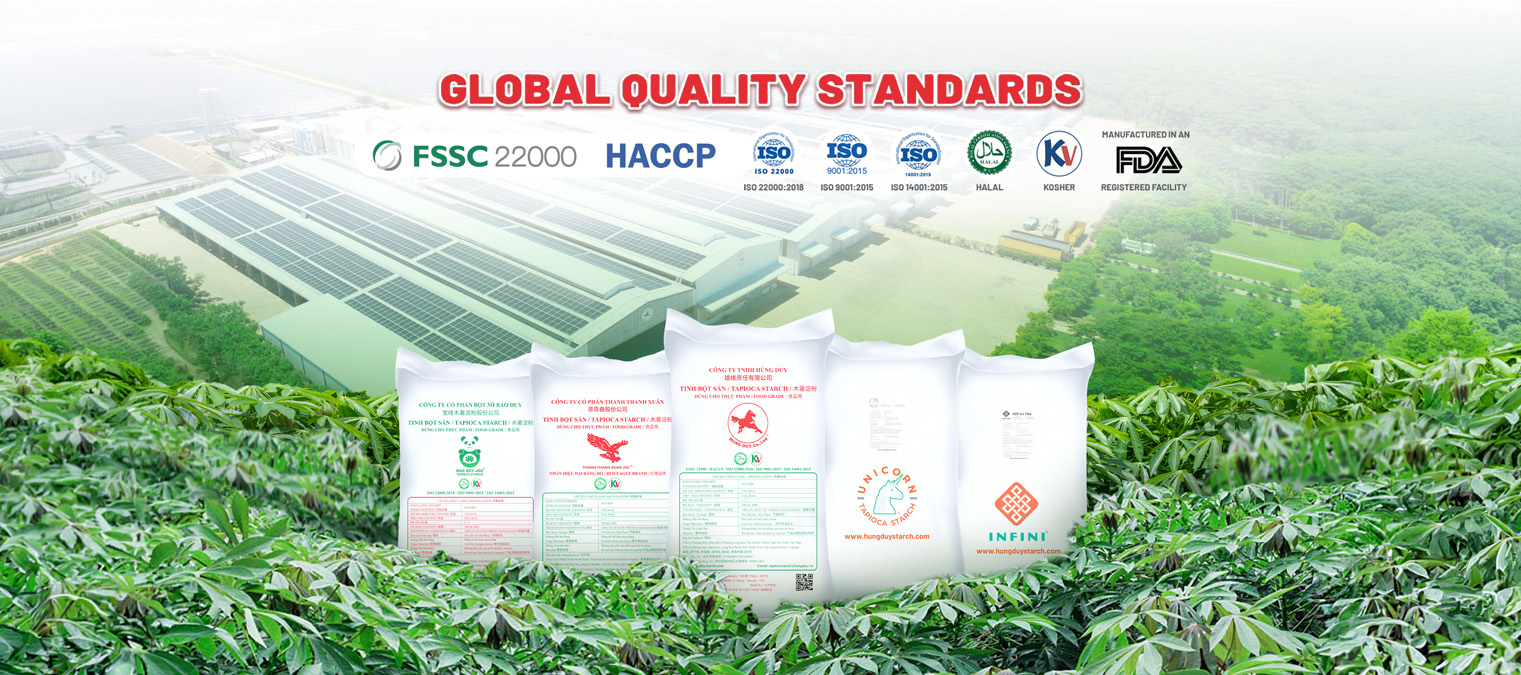
- Internationally Certified Quality: Production facilities are certified to internationally recognized standards, including FSSC 22000, HACCP, ISO 22000:2018, ISO 9001:2015, ISO 14001:2015, HALAL, and KOSHER.
- Large-Scale and Reliable Production Capacity: Own 6 modern production facilities located within Tay Ninh’s cassava-growing region provide a combined capacity of 1,600 metric tons per day, ensuring consistent product quality and reliable supply for large industrial orders.
- 50,000-Metric-Ton Warehousing System: Large-scale storage infrastructure supports inventory management, rapid order fulfillment, year-round availability, and reduced supply chain disruption risks.
- Professional Logistics and Export Services: Extensive export experience across multiple international markets enables Hung Duy Starch to support customers in minimizing export-related risks, optimizing logistics costs, and improving delivery efficiency.
Hung Duy Starch offers a diverse portfolio of tapioca starch products designed to meet the requirements of different industries and application segments:
-
- UNICORN Tapioca Starch: A premium-grade tapioca starch produced using advanced manufacturing technology and designed to meet demanding technical specifications and international quality standards, particularly for export-oriented and high-standard markets.
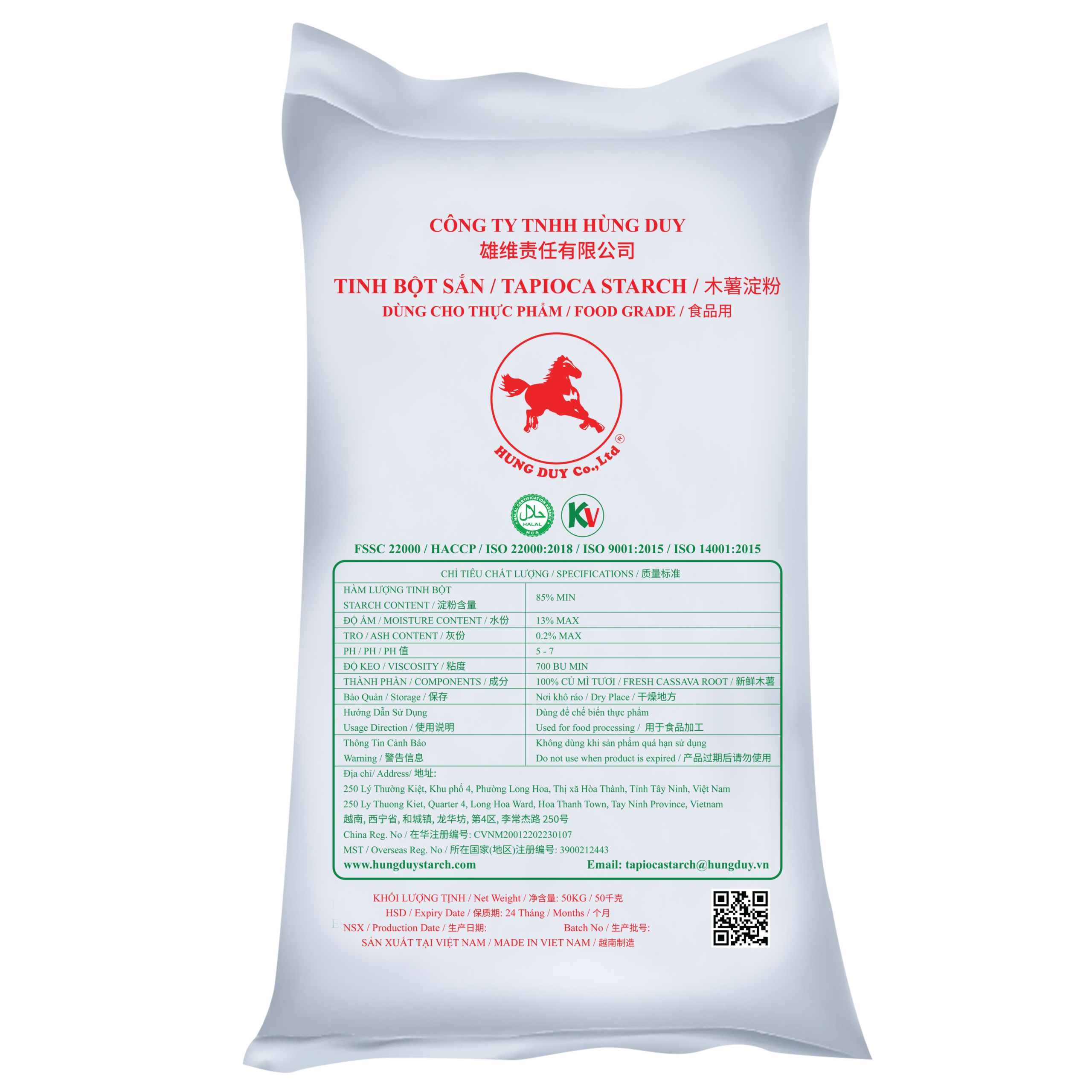
- Red Horse Tapioca Starch: A long-established and trusted brand that meets stringent quality requirements and provides stable supply for both domestic and export markets.
- Red Eagle Tapioca Starch: A product range designed for medium- to high-end applications, offering strong performance and cost efficiency.
- Panda Tapioca Starch: A standard-quality tapioca starch with competitive pricing, suitable for mainstream applications in both domestic and export markets.
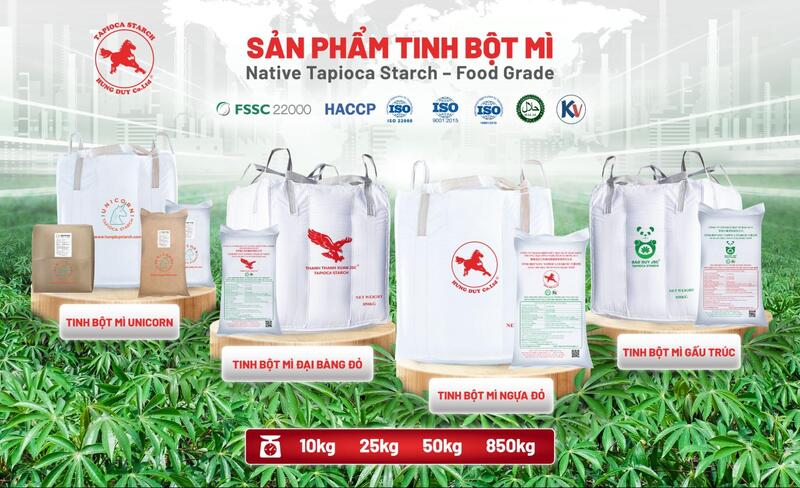
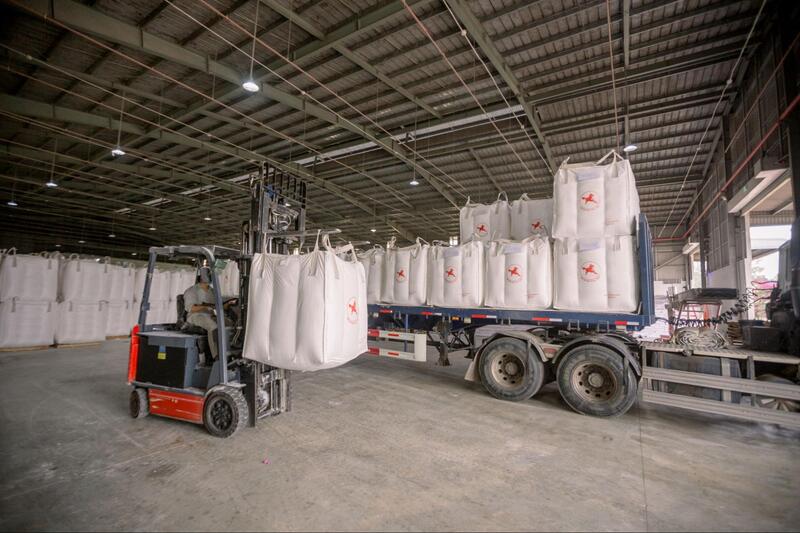
Products are available in various packaging formats, including PE bags (10 kg, 25 kg, and 50 kg), 25 kg kraft bags, and 850 kg jumbo bags, providing flexibility for a wide range of B2B supply requirements.
Each production facility operates a dedicated quality control laboratory equipped with modern testing equipment and strict quality management procedures. Products are inspected by recognized organizations such as SGS, CIC, VinaControl, and Quatest 3. Hung Duy Starch also provides professional documentation, including QA/QC reports, Certificates of Origin (CO), Certificates of Analysis (COA), and traceability records in accordance with international standards.
With extensive export experience and comprehensive logistics solutions, Hung Duy Starch supports customers in reducing customs and shipping risks, minimizing logistics costs, and ensuring timely delivery across diverse international markets.
Contact us for quotations, product samples, technical consultation, and application support:
- Domestic Sales Hotline: (+84) 913 320 365
- Export Sales Hotline: (+84) 909 917 141
- Email: tapiocastarch@hungduy.vn