

E1412 – Unicorn
E1412 Distarch Phosphate is a cross-linked modified starch designed to enhance structural strength and stability under high-temperature processing, acidic conditions, and intensive mechanical agitation. The product provides controlled swelling behavior while maintaining stable viscosity and texture throughout processing.
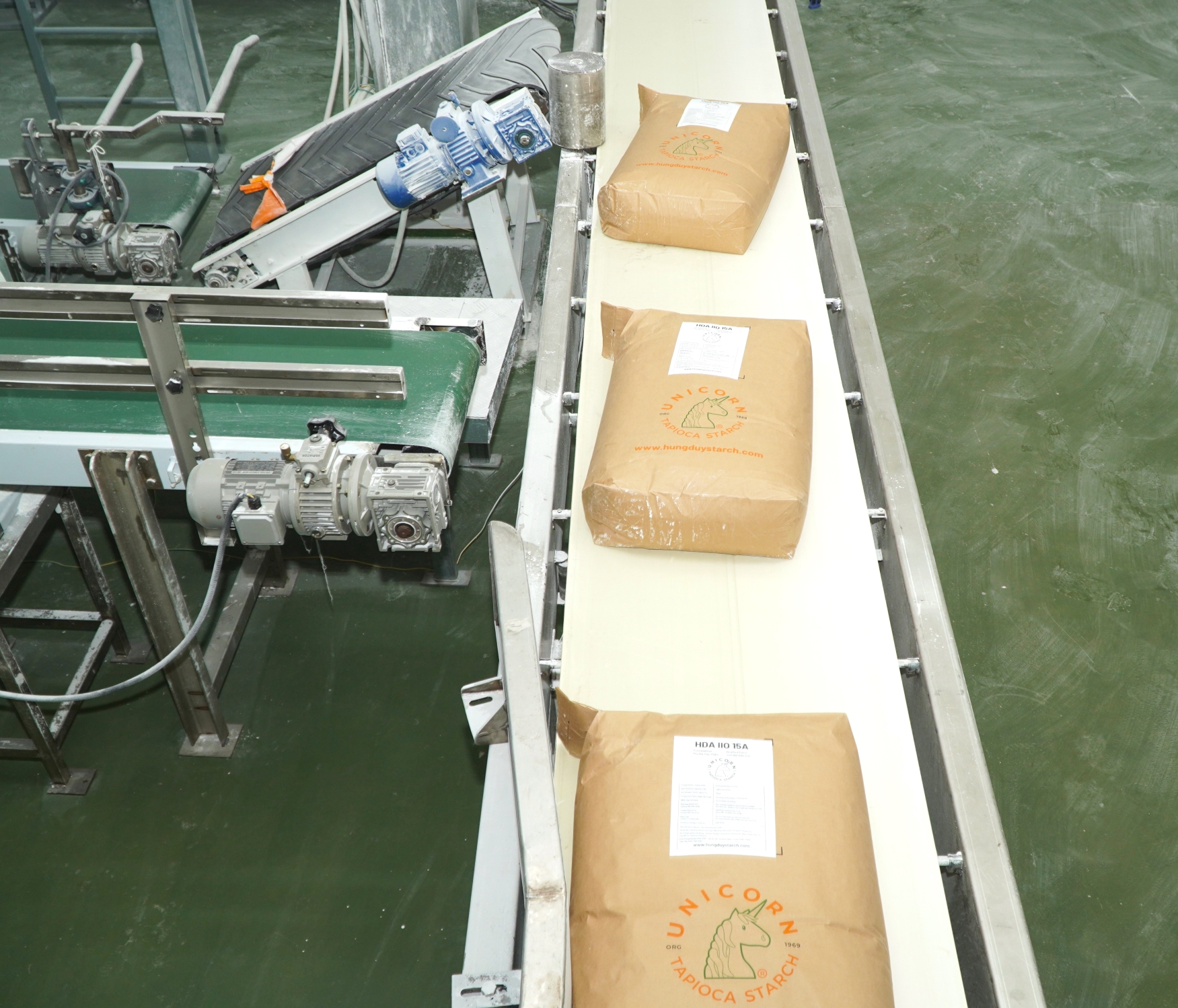
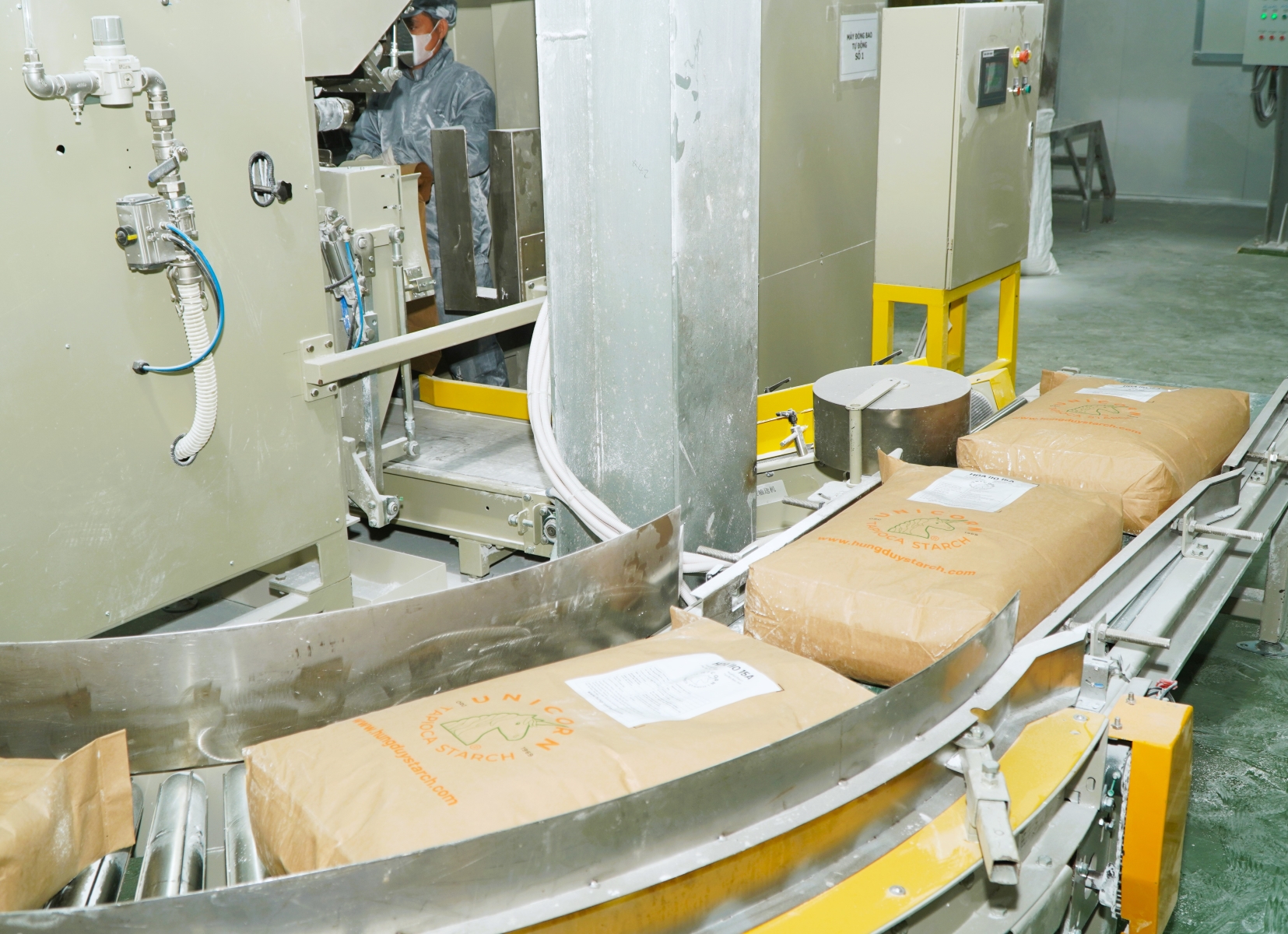
E1412 Distarch Phosphate – UNICORN Brand is widely used in food manufacturing and processing applications, including noodles, processed meat products, sauces, seasonings, and products requiring enhanced chewiness, crispness, and processing stability. It effectively meets the technical performance requirements of modern industrial production.


E1412 – Distarch Phosphate is a cross-linked modified starch designed for applications requiring high stability under demanding processing conditions, including high temperatures, acidic environments, and intense mechanical shear. Its cross-linked structure helps maintain viscosity and product integrity throughout processing, making it suitable for manufacturing processes that require consistent texture and performance. In this article, Hung Duy Starch explores the properties, functionality, and key applications of E1412 Distarch Phosphate, highlighting its advantages in challenging food processing environments.
1. What is E1412 Distarch Phosphate?
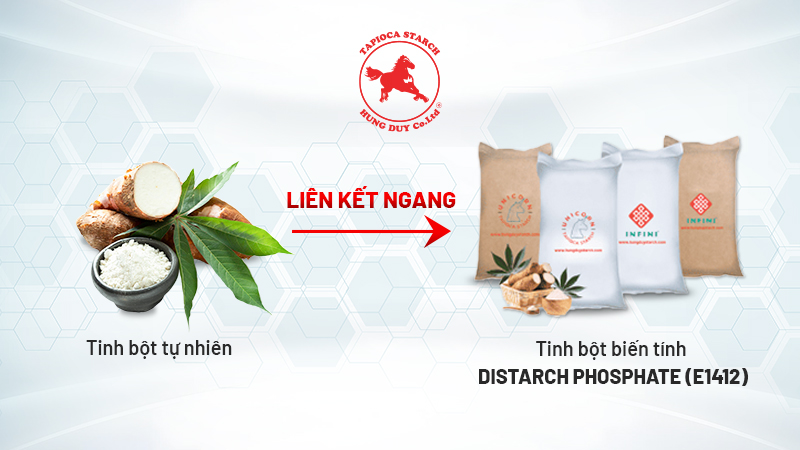
E1412 Distarch Phosphate is a modified starch derived from native starch sources such as cassava (tapioca), corn, potato, or wheat. It is produced through cross-linking reactions using phosphate-containing agents such as sodium trimetaphosphate (STMP) or phosphorus oxychloride (POCl₃). This process creates cross-links between the hydroxyl (-OH) groups of amylose and amylopectin, enhancing the starch’s resistance to heat, acidity, and mechanical shear while improving structural stability and reducing syneresis during processing.
According to international classification systems, E1412 is the designated food additive code for Distarch Phosphate under the European Union (EU) food additive framework. Under the Codex Alimentarius standards established by FAO/WHO, it is identified as INS 1412.
>>> READ MORE: Why Is Modified Tapioca Starch Essential in Modern Manufacturing?
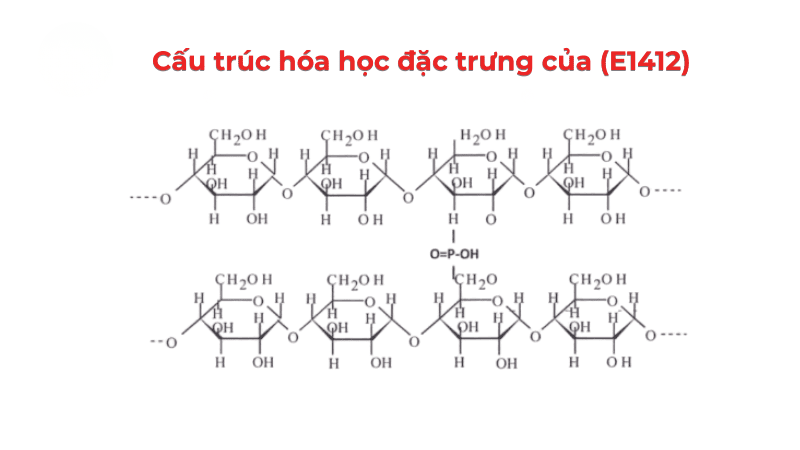
2. Chemical Structure of E1412 Distarch Phosphate
E1412 Distarch Phosphate is produced through cross-linking reactions between the hydroxyl (-OH) groups of starch molecules and phosphate-containing reagents such as phosphorus oxychloride (POCl₃) or sodium trimetaphosphate (STMP). This process forms phosphate cross-links that strengthen the starch granule structure.
The resulting cross-linked network improves resistance to heat, acidity, and mechanical shear while controlling granule swelling and maintaining viscosity during processing.
E1412 is manufactured under strict Good Manufacturing Practice (GMP) standards. Following modification, the starch is neutralized, washed, dried, and quality-tested to ensure compliance with food safety and regulatory requirements.
3. Key Properties of E1412 Distarch Phosphate
- Excellent resistance to heat, acidic conditions, and mechanical shear.
- Controlled swelling behavior, helping maintain stable viscosity during processing.
- Improved texture, providing high thickening efficiency with reduced stickiness and stringiness.
- Enhances chewiness and elasticity in processed foods.
- Good freeze-thaw stability, helping reduce syneresis and maintain product structure during frozen storage.
4. Key Applications of E1412 Distarch Phosphate
E1412 Distarch Phosphate is commonly used as a thickener, stabilizer, and binder in a wide range of food applications.
- Processed Meat Products: Improves texture, chewiness, and water retention in sausages, fish balls, meatballs, surimi products, and other processed meats.
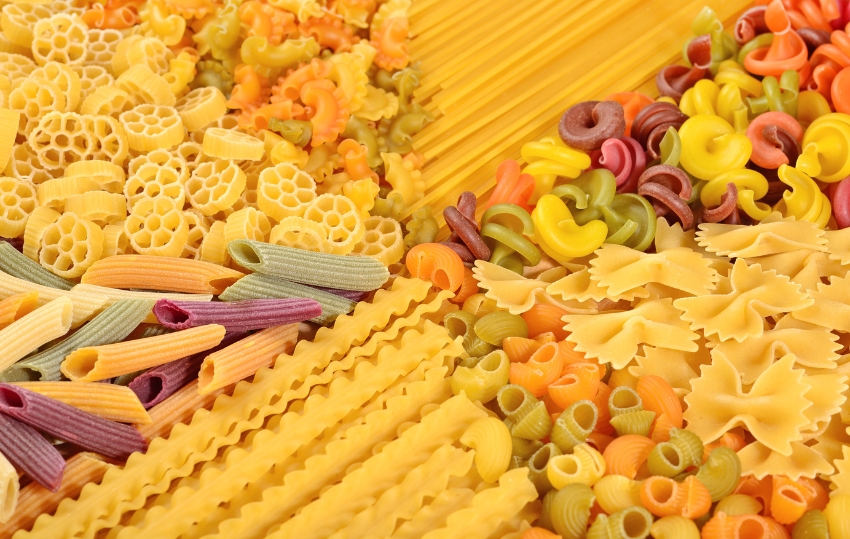
- Noodles and Starch-Based Foods: Enhances elasticity, reduces breakage during processing, and improves surface smoothness in noodles, rice noodles, and related products.
- Heat-Processed and Acidic Foods: Provides stable viscosity and texture in canned soups, sauces, fruit fillings, yogurt, ice cream, fermented dairy products, baby foods, canned fish, and canned meat products.
- Other Applications: Suitable for gummy candies, concentrated fruit preparations, chili sauces, ketchup, and various convenience foods requiring enhanced processing stability.
5. International-Quality E1412 Distarch Phosphate Manufacturer & Supplier
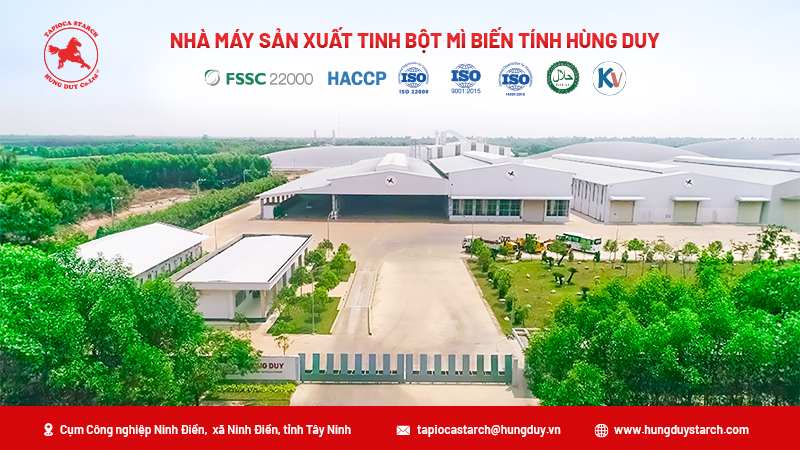
Established in 1969 in Tay Ninh Province, one of Vietnam’s major cassava-growing regions, Hung Duy Starch has grown into one of the country’s leading tapioca starch manufacturers. The company operates a modern modified tapioca starch production facility equipped with advanced manufacturing technology to serve both domestic and international markets.
Located in Tay Ninh Province, Hung Duy Starch’s modified starch plant benefits from direct access to abundant and stable cassava raw materials. The company manufactures a diverse portfolio of modified starch products designed to meet demanding technical requirements across food and industrial applications. Products are produced under internationally recognized certifications, including FSSC 22000, ISO 22000:2018, HACCP, ISO 9001:2015, HALAL, and KOSHER, and are supplied to customers in high-standard markets such as the United States, Europe, Japan, Australia, China, and South Korea,…
E1412 Distarch Phosphate is supplied to customers across food processing, pharmaceutical, and industrial sectors. Supported by large-scale production capacity, extensive logistics infrastructure, and a sustainable raw material supply chain spanning Vietnam and Cambodia, Hung Duy Starch ensures reliable year-round supply and consistent product quality.
For cross-linked starches such as E1412, raw material quality, manufacturing expertise, and process control are critical to achieving consistent performance. Hung Duy Starch’s integrated supply chain and production capabilities provide the stability, quality, and consistency required for demanding industrial applications.
Key Strengths of Hung Duy Starch:
- Sustainable Raw Material Supply Chain: By integrating raw material sourcing from Tay Ninh Province and strategic procurement partnerships in Cambodia, Hung Duy Starch ensures a stable supply of high-quality cassava roots for E1412 production. Extensive experience in import-export operations, customs clearance, and quarantine procedures helps maintain a reliable cross-border supply chain throughout the year.
- R&D and Modified Starch Manufacturing Expertise: As one of Vietnam’s pioneering manufacturers of modified tapioca starch, Hung Duy Starch operates advanced production technology and offers more than 20 internationally compliant modified starch grades, serving diverse requirements across food and industrial applications.
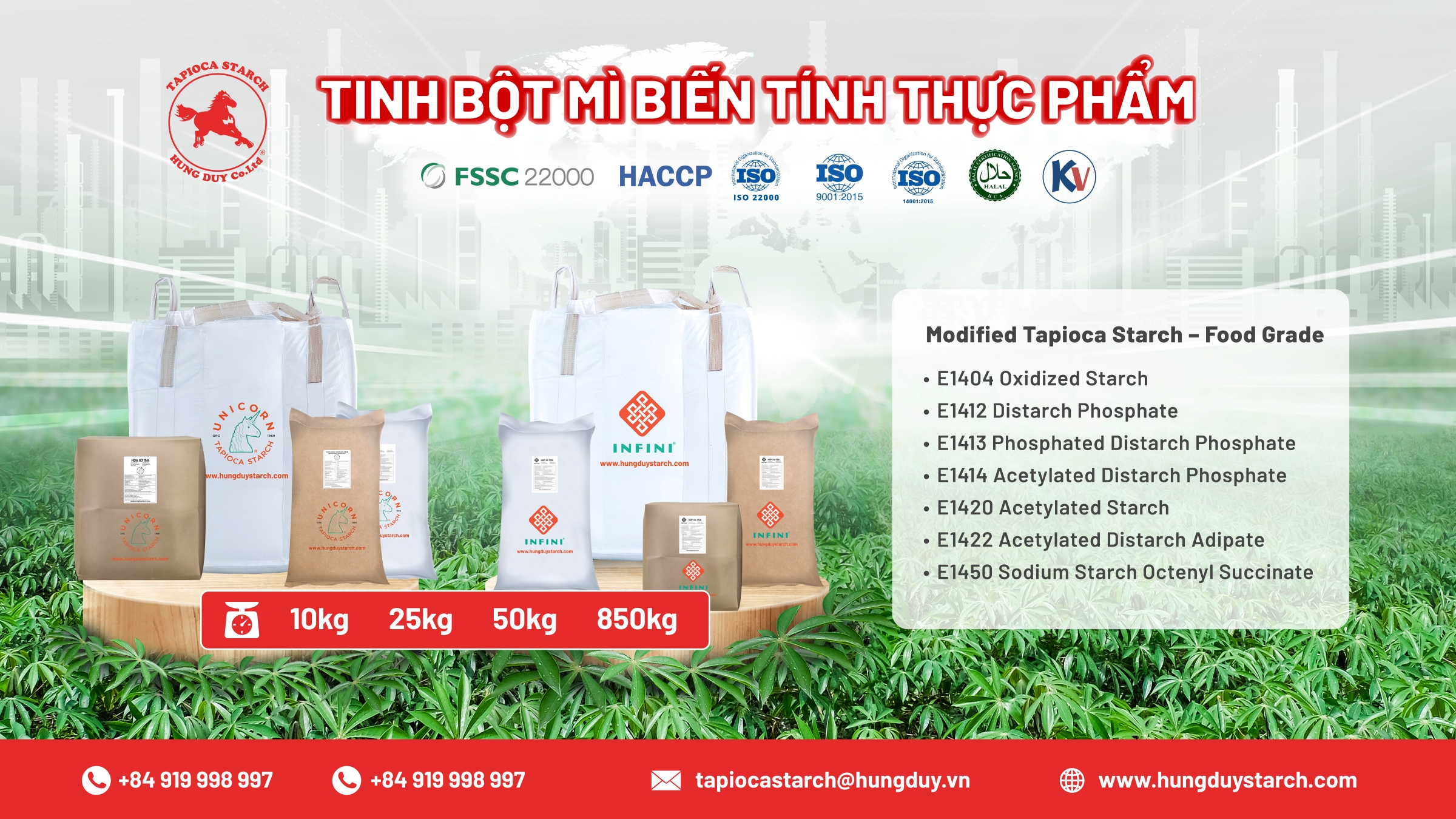
Modified Tapioca Starch – Food Grade by Hung Duy Starch:
- E1404 – Oxidized Starch
- E1412 – Distarch Phosphate
- E1413 – Phosphated Distarch Phosphate
- E1414 – Acetylated Distarch Phosphate
- E1420 – Acetylated Starch
- E1422 – Acetylated Distarch Adipate
- E1450 – Sodium Starch Octenyl Succinate
Contact Hung Duy Starch’s Sales Department for technical consultation, product recommendations, and quotations for E1404 Oxidized Starch and other modified starch solutions tailored to your application requirements.
- Ms. Le Bao Uyen: (+84) 919 998 997 | Email: uyenle@hungduy.com
- Mr. Michael Yoong: (+84) 916 611 369 | Email: michael.yoong@hungduy.com