Modified Tapioca Starch

Modified tapioca starch is cassava starch that has been processed in a controlled manner (through physical, chemical, or enzymatic methods) to alter its molecular structure, enhancing heat resistance, pH stability, water retention, and viscosity stability in industrial production processes. In the following article, Hùng Duy Starch will explore in detail the different types of modified tapioca starch and their applications, helping you understand how they optimize production processes and product quality.
1. What is Modified Tapioca Starch?
Modified tapioca starch—also known as modified cassava starch—is natural cassava starch that has been treated under controlled conditions to improve its technical properties such as heat resistance, water retention, viscosity, and binding capacity. The modification process is typically carried out through three main methods:
- Physical modification: Includes processes such as heating, cooling, and drying to alter swelling capacity, solubility, and stability of cassava starch.
- Chemical modification: Uses permitted agents (phosphate, acetyl, acid, alkali, etc.) to modify starch molecules, improving functionality such as stability, heat resistance, and emulsification.
- Enzymatic modification: Uses enzymes to break or adjust molecular chains, enhancing digestibility, reducing glycemic index, and improving nutritional properties.
In essence, modified tapioca starch remains cassava starch but is optimized to meet specific and specialized requirements in food and industrial applications. The production of modified tapioca starch is complex, requiring not only advanced technology and processes but also proprietary know-how and expertise. **Note: The terms cassava, tapioca, and manioc all refer to the same raw material, with differences depending on regional usage.
2. Key Advantages of Modified Tapioca Starch
Natural cassava starch has relatively low viscosity and may not achieve the desired thickening or binding effects in certain formulations or production processes. In addition, its limited stability under high temperatures, strong shear, acidic environments, or freeze–thaw cycles can lead to issues in texture and product quality. Modified tapioca starch is developed specifically to overcome these limitations, enhancing functionality and versatility across various applications:
- Stable viscosity without thinning during prolonged heating or repeated heating cycles.
- Maintains structure during UHT sterilization, canning, and high-shear mixing or pumping.
- Prevents breakdown or syneresis in acidic environments, cold storage, and freeze–thaw conditions.
- Allows flexible texture customization (thickness, chewiness, crispness, or clarity) depending on product requirements.
- Effective water retention and anti-caking properties, ensuring product stability during storage and processing.
- Customizable gelatinization temperature, helping optimize energy consumption and adapt to existing production systems.
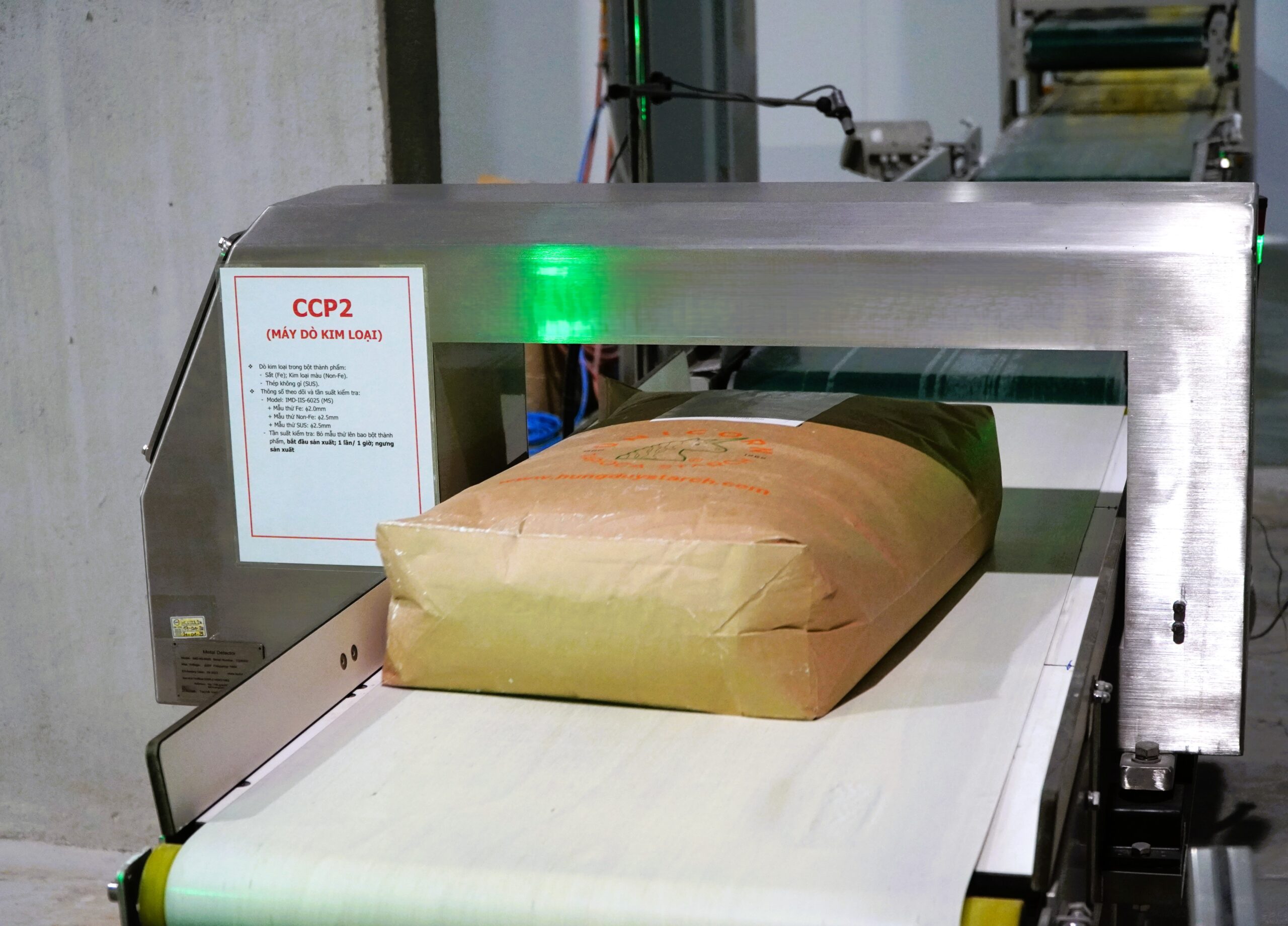
3. Types of Modified Tapioca Starch Used in Industry
In food and industrial production, modified tapioca starch is classified into various types depending on processing methods and functional properties. The most common types include:
- Pregelatinized Tapioca Starch: Pre-cooked and dried starch that dissolves in cold water, forming a clear and viscous solution and creating gels upon heating.
- E1404 – Oxidized Starch: Treated with oxidizing agents, offering low but stable viscosity, smooth surface, good film-forming ability, and low moisture absorption.
- E1412 – Distarch Phosphate: Cross-linked starch with improved resistance to heat, acid, and shear, reducing breakdown during prolonged cooking.
- E1414 – Acetylated Distarch Phosphate: Combines esterification and cross-linking for enhanced freeze–thaw stability, smooth gel texture, and high clarity and gloss.
- E1420 – Acetylated Starch: Introduces acetyl groups to lower gelatinization temperature, improve moisture retention, heat stability, and provide a smooth, glossy texture.
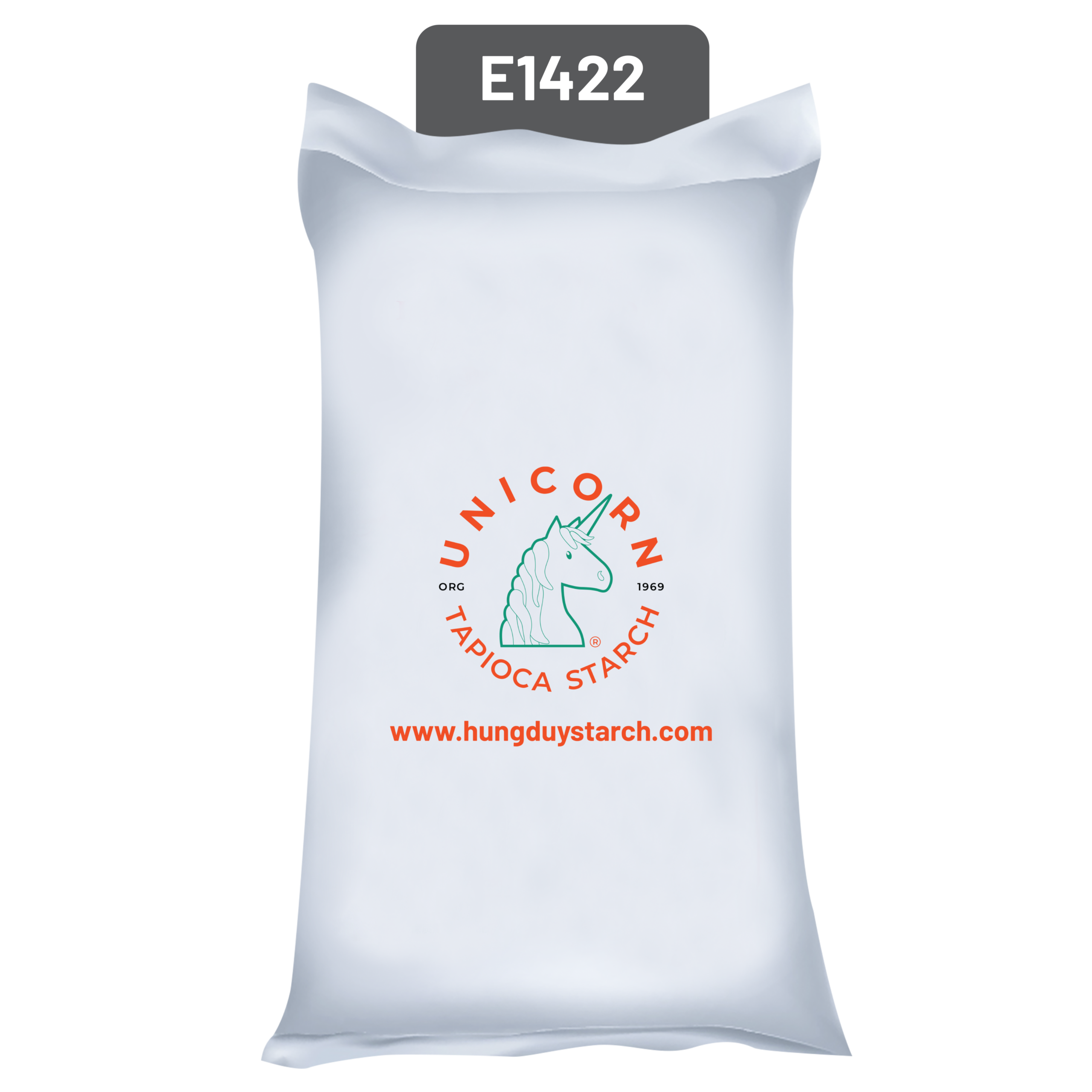
- E1422 – Acetylated Distarch Adipate: Produced by treating starch with adipic and acetic anhydrides, offering excellent stability under heat, shear, and processing stress.
- E1440 – Hydroxypropyl Starch: Etherified starch with low gelatinization temperature, high elasticity, strong binding, and good stability under mixing and cold storage.
- E1442 – Hydroxypropyl Distarch Phosphate: Both etherified and cross-linked, providing superior freeze–thaw stability, anti-syneresis properties, and long-lasting structural integrity.
- E1450 – Sodium Octenyl Succinate Starch: Esterified with OSA groups, offering strong emulsification, excellent flavor and color retention, and stable dispersion in beverages and liquid systems.
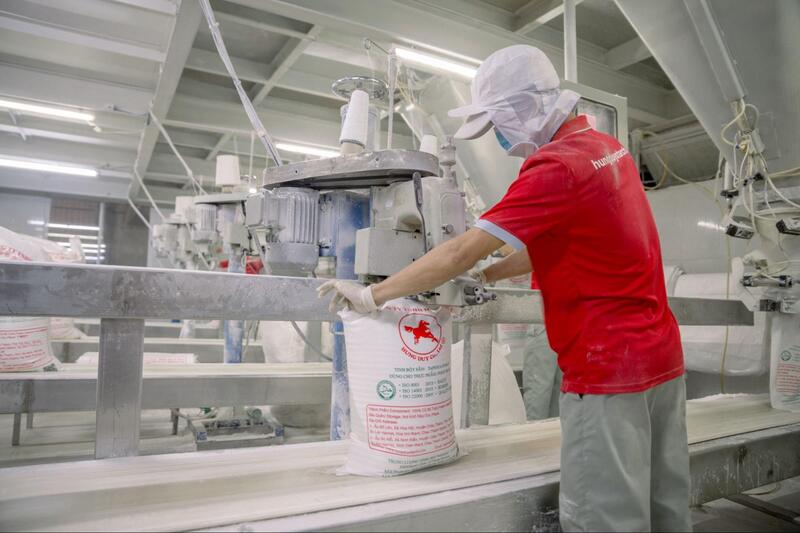
4. Applications of Modified Tapioca Starch
- Food & Beverage Industry: Used as a thickener and stabilizer for soups, sauces, and puddings; improves softness and moisture in baked goods; enhances gloss in fillings; increases chewiness in noodles, vermicelli, pho, and tapioca pearls; acts as a binder and anti-sticking agent in confectionery; stabilizes sugars in caramel; and serves as a hydrolyzed sweetener source for beverages, beer, and fermented products.
- Textile Industry: Used for yarn sizing to increase weaving strength, improve fabric fullness and surface quality, and maintain color stability in printing.
- Paper Industry: Enhances paper strength, provides smooth and glossy coating, improves ink adhesion, and retains fillers; used in carbon paper, colored paper, printing paper, diapers, and hygiene products.
- Adhesives Industry: Raw material for paper glue, labels, envelopes, bookbinding, wood adhesives, laminates, and hot-melt adhesives; improves adhesion and stability in industrial and packaging adhesives.
- Pharmaceutical & Cosmetics Industry: Used as a binder and disintegrant in tablets; as a coating powder and filler in cosmetics and soaps; and as a stabilizer in emulsions for creams.
- Construction Industry: Used as a binder in concrete, lightweight bricks, cement, and ceramics; applied in gypsum boards, fire-resistant panels, plywood, particle boards, and as a filler in coatings.
- Biodegradable Plastics Industry: Used in biofilms and biodegradable packaging, improving flexibility, processability, and reducing brittleness.
- Mining & Oil Drilling Industry: Adjusts viscosity and stability of drilling fluids; supports ore flotation; aids in fine particle aggregation and sediment treatment.
- Explosives & Matches Industry: Acts as a binder in industrial explosives and stabilizes match head compositions. Electronics & Specialty Materials: Used as a moisture-retaining binder in dry batteries and supports coating formation in printed circuit boards.
- Leather Industry: Provides smooth, glossy coating, reduces cracking, and improves surface quality.
- Animal Feed Industry: Improves pellet durability, reduces dust, and provides easily digestible energy.
- Automotive, Engineering & Metallurgy: Used in pressure-sensitive adhesives, technical adhesives; as a binder for sand cores in casting and as an additive in metal sintering processes.
5. Hùng Duy Starch – A Leading Manufacturer, Supplier, and Exporter of Modified Tapioca Starch
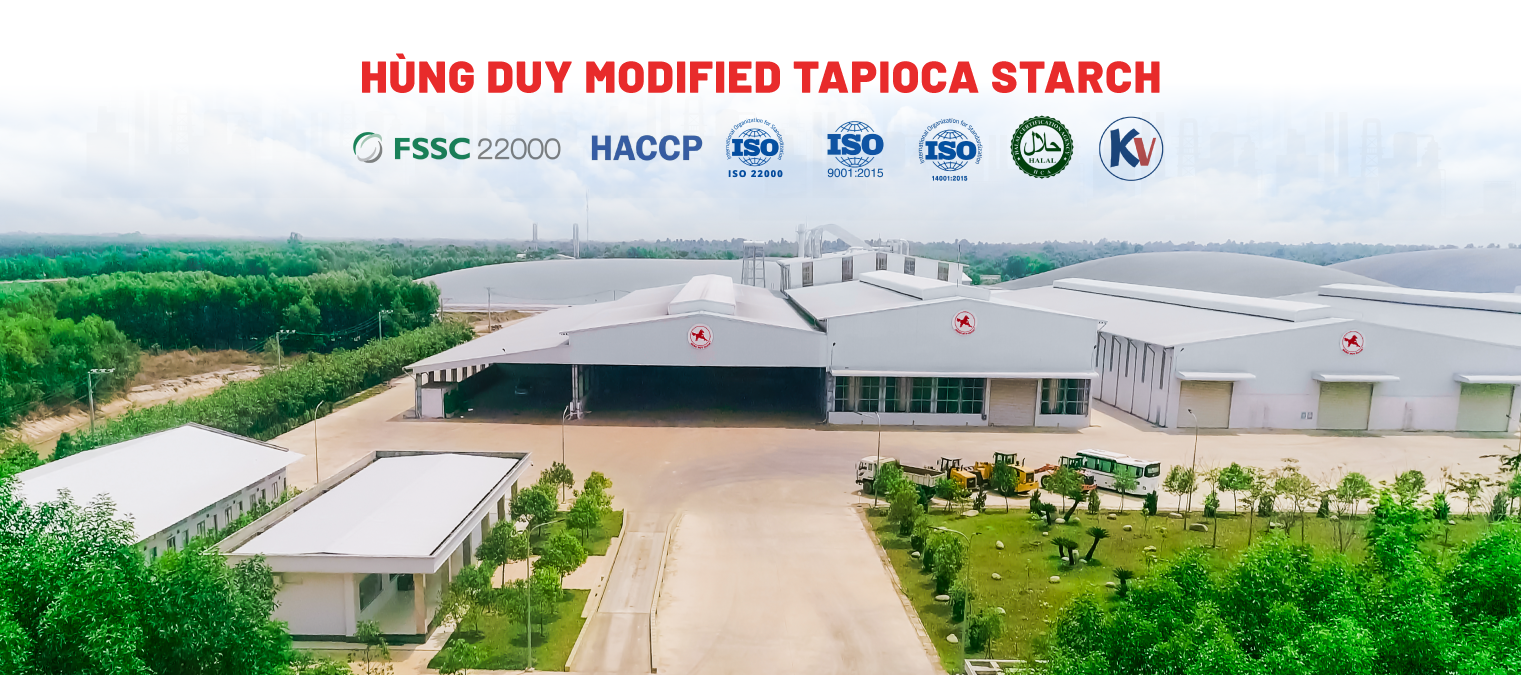
Hùng Duy Starch is a pioneer in Vietnam in the production and supply of high-quality modified starch, meeting stringent technical requirements across food, beverage, pharmaceutical, cosmetic, and specialized industrial sectors. With over 55 years of experience, Hùng Duy not only delivers consistent product quality but also supports customers in optimizing production processes and improving operational efficiency.
Key strengths of Hùng Duy Starch:
- International trade & export-import: Diverse domestic and global markets with trusted partners across Europe, the United States, Asia, Australia, and Oceania; strong capability to export to demanding markets such as the U.S., Japan, and Europe.
- Comprehensive logistics services: Warehouse capacity of up to 50,000 tons, flexible domestic and international transportation, ensuring stable year-round supply along with professional documentation and customs handling.
- Sustainable raw material sourcing: Long-term partnerships with raw material regions in Tay Ninh and Cambodia, ensuring consistent quality and efficient cross-border supply chains.
- Experience and production capability: Over half a century of expertise, modern manufacturing facilities, and a dedicated R&D team, enabling Hùng Duy to deliver stable and application-specific modified starch solutions.
If you are looking to optimize your formulation, secure a stable supply, or receive consultation on selecting the right modified tapioca starch for your industry standards, contact Hùng Duy Starch today for quick quotations, samples, and complete CO/COA documentation:
- Domestic Hotline: (+84) 913 320 365
- Export Hotline: (+84) 909 917 141