E1412 Distarch Phosphate – Infini
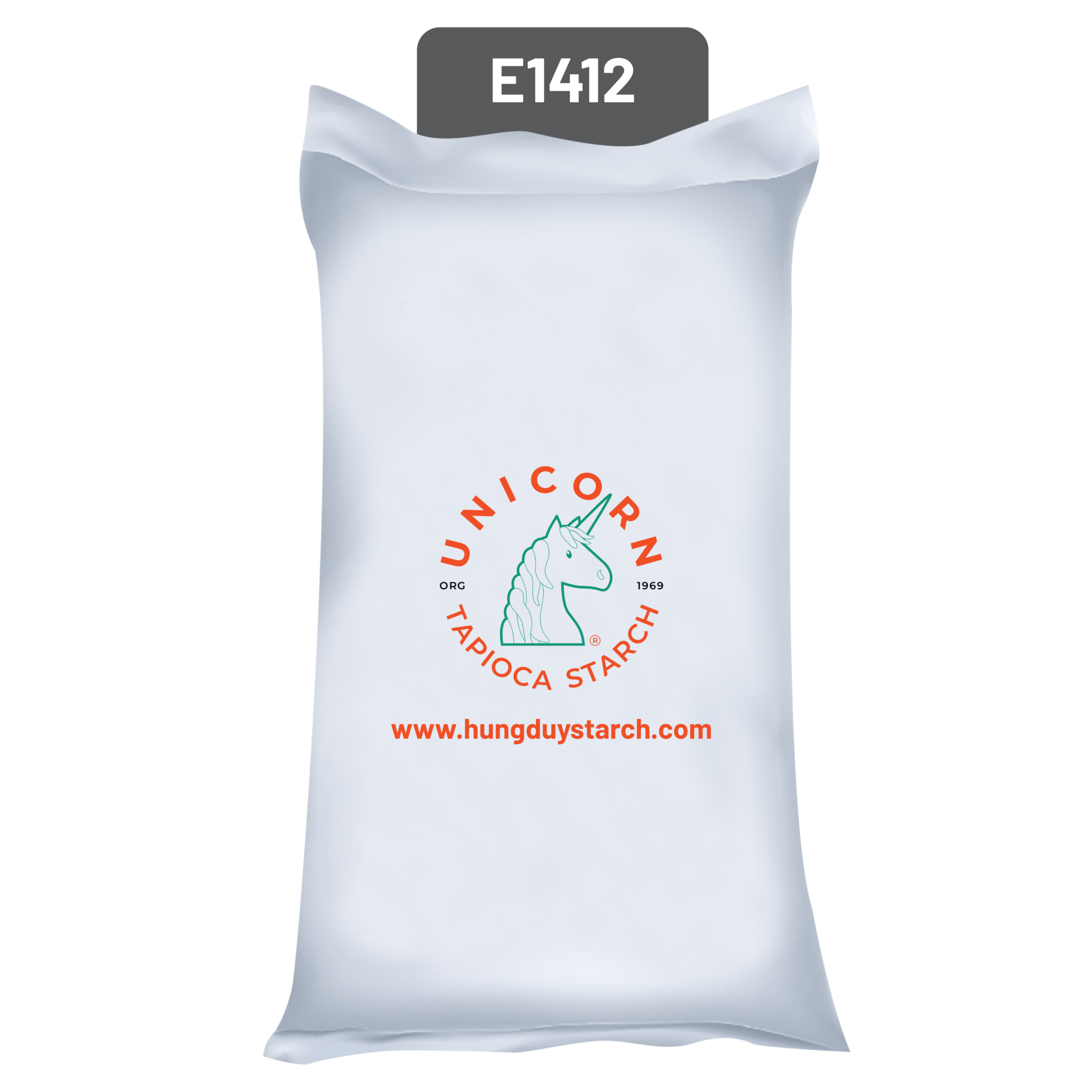
E1412 Distarch Phosphate is a cross-linked modified tapioca starch that enhances structural strength and stability under high temperature, acidic conditions, and strong mechanical shear. The product provides good swelling control and maintains viscosity and stable texture throughout processing.
E1412 is widely applied in food processing industries, noodles, meat products, sauces, seasonings, and products requiring high elasticity, crispness, and stability, effectively meeting technical requirements in industrial production.



E1412 – Distarch Phosphate is one of the most important modified starches in the cross-linked starch group, widely used in food, pharmaceutical, and high-tech industries due to its excellent heat resistance, acid stability, and structural integrity. In this article, Hùng Duy Starch – a pioneering manufacturer of modified wheat starch in Vietnam – will explore what E1412 is, its mechanism, key properties, practical applications, and why cross-linked starches have become a trusted choice for global businesses.
1. What is E1412?
E1412 (Distarch Phosphate) is a natural starch (from cassava, corn, potato, wheat, etc.) modified using phosphorus-containing agents such as sodium trimetaphosphate (STMP) or phosphorus oxychloride (POCl₃). This process creates cross-links between the hydroxyl (-OH) groups of amylose and amylopectin, enhancing mechanical strength, heat resistance, pH stability, and preventing water separation or structural breakdown during processing.
According to international classification systems, E1412 is the designation for Distarch Phosphate under the European Union (EU) food additive system. In the FAO/WHO Codex Alimentarius, it is identified as INS 1412.
2. Characteristic chemical structure of E1412
E1412 is produced via esterification reactions between starch hydroxyl (-OH) groups and phosphorus oxychloride (POCl₃) or sodium trimetaphosphate (STMP), forming phosphate ester bonds (–O–P(=O)(OH)₂). Depending on the agent, starch may form cross-links through phosphodiester bridges (–O–P(=O)(OH)–O–) or single phosphate groups.
These phosphodiester bridges reinforce starch granule structure, improve heat tolerance, pH stability, and resistance to shear. The higher the degree of cross-linking, the more stable and less prone to swelling the E1412 granules are.
The modification process is strictly controlled under Good Manufacturing Practice (GMP). After the reaction, Distarch Phosphate is neutralized, washed, dried, and quality-tested to ensure residual phosphate and heavy metal levels are within safe limits.
3. Key properties of E1412 modified starch
- High stability: Resists high temperatures, acidic environments, and strong mechanical forces while maintaining viscosity and structure.
- Swelling control: Provides stable swelling without granule rupture, ensuring consistent thickness when hot or cold.
- Texture improvement: Produces low-stickiness, smooth gels that dissolve quickly; increases firmness and prevents crumbling.
- Chewy-crisp characteristics: Delivers distinctive chewiness and crispness, effectively replacing borax in traditional recipes.
- Freeze-thaw stability: Reduces degradation and water release, maintaining moisture and structure during frozen storage.
- Dietary fiber function: Acts as resistant starch RS4 and is recognized by the FDA as a dietary fiber.
4. Notable applications of E1412 Distarch Phosphate
Distarch Phosphate serves as a thickener, stabilizer, binder, and emulsifier. Specific applications include:
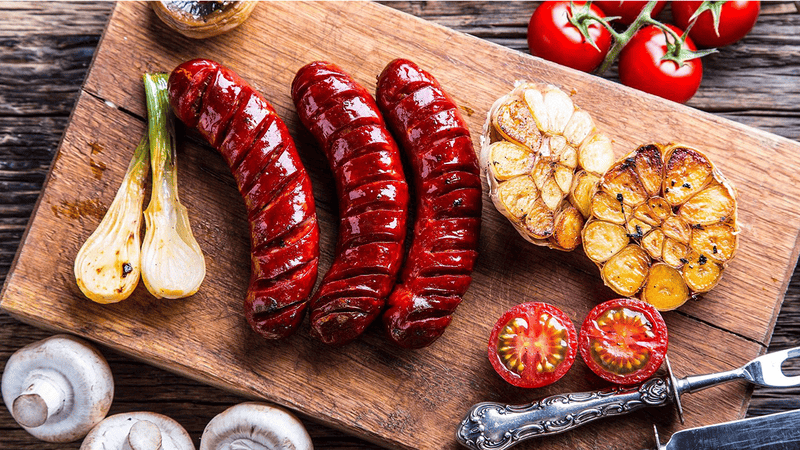
- Processed meat products: Enhances chewiness and crispness in sausages, ham, fish cakes, meatballs, and fish balls; retains water, reduces juice loss during cooking or frying; maintains size after heating and freezing; improves texture and sensory quality; supports borax replacement in traditional foods.
- Noodles, rice noodles, pho, and hủ tiếu: Provides elasticity and chewiness, reduces breakage during cooking, drying, and storage; ensures smooth, non-sticky surfaces; preserves chewy texture after processing and packaging.
- Foods requiring high heat or acidic conditions: Thickens and stabilizes soups, sauces (especially cream and cheese sauces), fruit fillings, yogurt, ice cream, fermented milk products, baby foods, canned fish, and canned meat; prevents water separation and curdling during sterilization and storage.
5. Trusted supplier of high-quality E1412 Distarch Phosphate
With over 50 years of experience in the Vietnamese wheat starch industry, Hùng Duy Starch is a pioneering manufacturer of modified wheat starch, including E1412 Distarch Phosphate, serving the food, pharmaceutical, and high-tech industries. Modern production facilities combined with a sustainable supply chain across Tây Ninh – Cambodia enable Hùng Duy to consistently meet strict quality, performance, and traceability requirements for global clients.
Key strengths of Hùng Duy Starch:
- Proven international export capability: Direct exports to the U.S., EU, Japan, etc.; deep understanding of trade, quarantine, and documentation standards in each market; optimized transaction processes for global customers.
- Large-scale logistics & warehousing (50,000 tons) ensuring year-round supply: Flexible delivery under various Incoterms (FOB/CFR/CIF/Door-to-door), combining domestic and international transport; uninterrupted supply even during peak seasons or maintenance.
- Sustainable cross-border raw material supply chain (Vietnam – Cambodia): Long-term partnerships with Tây Ninh sources and Cambodian suppliers; expertise in customs, quarantine, and border trade ensures abundant high-quality cassava for E1412 production.
- Leading R&D and modified starch expertise in Vietnam: Proprietary technology for over 20 modified starch products; 55+ years of experience producing international-standard starch with heat resistance, structural stability, and performance for industrial applications.
For support with E1412 Distarch Phosphate solutions, formulas, applications, or technical standards, please leave your contact information, and the Hùng Duy Starch team will provide prompt and accurate consultation.
- Domestic hotline: (+84) 913 320 365
- Export hotline: (+84) 909 917 141