

Why is modified starch essential in modern manufacturing?
In modern manufacturing, modified starch is a key material that is increasingly widely used across various industries thanks to its heat resistance, pH stability, anti-syneresis properties, and ability to maintain stable viscosity. Together with Hung Duy Starch, let’s explore what modified starch is, why it is essential, and how it optimizes production efficiency.
1. What is modified starch?
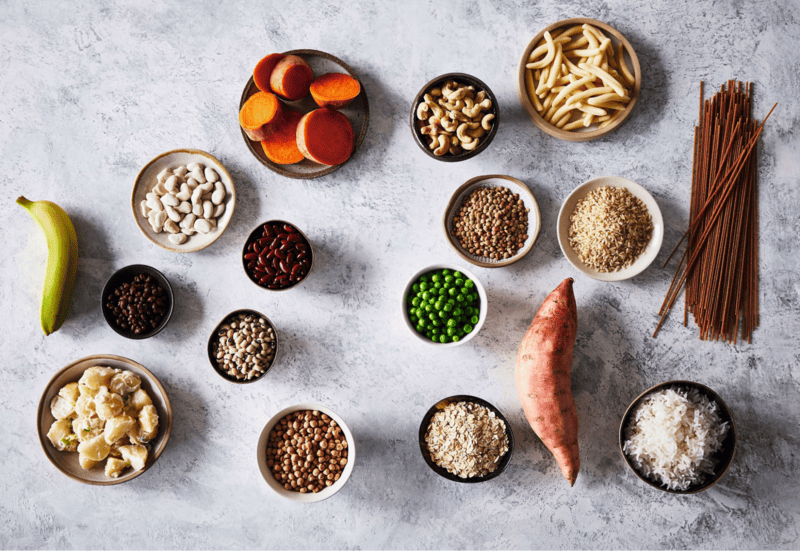
Modified starch (English name: Modified Starch) is a product obtained by intentionally treating natural starch using physical, chemical, or enzymatic methods to alter its molecular structure. Common natural starch sources used for modification include:
- Corn (Maize): A globally popular raw material due to its large production volume, stable supply, ease of cultivation, relatively low cost, and high adaptability for molecular modification.
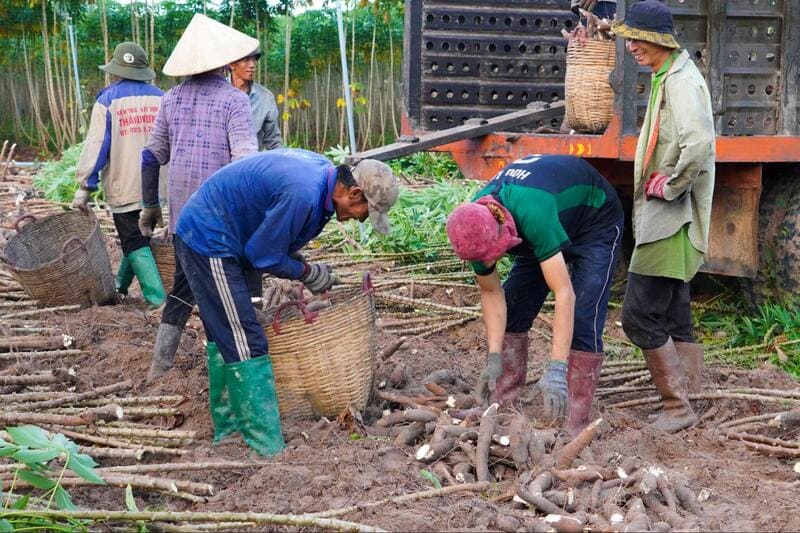
- Cassava (Tapioca): Widely used in tropical regions such as Southeast Asia and South America due to its high starch content and low raw material cost, helping reduce production costs of modified tapioca starch.
- Potato: Preferred for producing modified starch with high viscosity, excellent moisture retention, and strong, clear gel formation. Commonly used in Europe and North America.
- Wheat: Less commonly used compared to corn, cassava, or potato in modified starch production.
- Rice: Less widely used for modification due to higher raw material costs and more complex refining requirements.
- Other seeds and tubers (mung bean, pea, fava bean, canna, etc.): Can be used but are less common in large-scale industrial production due to limitations in supply and economics.
It is important to understand that “modification” involves controlled changes at the molecular level—such as shortening polymer chains, introducing functional groups, or creating cross-links—to make starch more stable under industrial processing conditions where native starch would typically degrade (high heat, acidic environments, freeze–thaw cycles, intense mixing, or liquid systems requiring stable viscosity). Modified starch is also not genetically modified (GMO) and is unrelated to the genetic origin of the raw material.
2. Key advantages of modified starch over native starch
Native starch tends to lose viscosity during prolonged heating, separate water upon cooling or freeze–thaw cycles, and cannot withstand acidic environments, industrial heating processes, or strong mechanical agitation. Modified starch is developed to overcome these limitations.
Main advantages of modified starch include:
- Maintains stable viscosity and thickness during prolonged cooking at high temperatures and sterilization.
- Retains structure without breakdown or thinning in low pH environments.
- More resistant to industrial processes involving strong mixing and pumping.
- Reduces or eliminates retrogradation and syneresis, maintaining smooth texture through freeze–thaw cycles.
- Allows customization of texture (viscosity, thickness, gel strength, elasticity, chewiness, or crispness) based on industrial requirements.
- Provides better film-forming ability, gloss, and clarity for products where visual transparency is important (clear sauces, jellies, fillings).
- Enhances water retention, prevents lumping, and maintains desired consistency during storage.
- Enables selection of starch types with specific gelatinization temperatures to optimize energy usage and production stability.
3. Types of modified starch
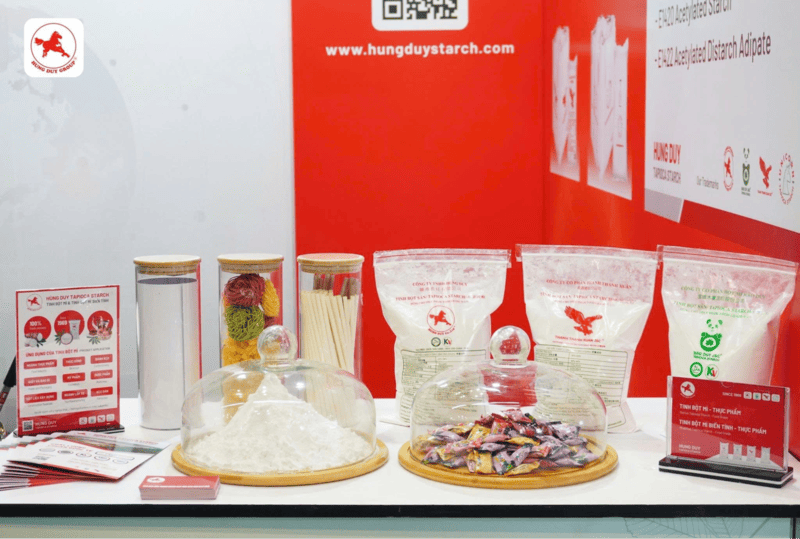
In international food additive systems, modified starch is clearly classified using E-codes (EU food additive numbering system) or INS codes (International Numbering System of Codex Alimentarius). Each code reflects the specific treatment method applied:
- E1404 – Oxidised starch: Treated with sodium hypochlorite.
- E1410 – Monostarch phosphate: Esterified with orthophosphoric acid or sodium/potassium orthophosphate or sodium tripolyphosphate.
- E1412 – Distarch phosphate: Cross-linked using sodium trimetaphosphate or phosphorus oxychloride.
- E1413 – Phosphated distarch phosphate: Combination of treatments used for monostarch phosphate and distarch phosphate.
- E1414 – Acetylated distarch phosphate: Cross-linked and acetylated using acetic anhydride or vinyl acetate.
- E1420 – Starch acetate: Esterified with acetic anhydride or vinyl acetate.
- E1422 – Acetylated distarch adipate: Cross-linked with adipic anhydride and esterified with acetic anhydride.
- E1440 – Hydroxypropyl starch: Etherified with propylene oxide.
- E1442 – Hydroxypropyl distarch phosphate: Cross-linked and further etherified with propylene oxide.
- E1450 – Sodium octenyl succinate starch: Esterified with octenylsuccinic anhydride.
- E1451 – Acetylated oxidised starch: Treated with sodium hypochlorite and then esterified.
- E1452 – Starch aluminium octenyl succinate: Esterified with octenylsuccinic anhydride and treated with aluminium sulphate.
4. How is modified starch produced?
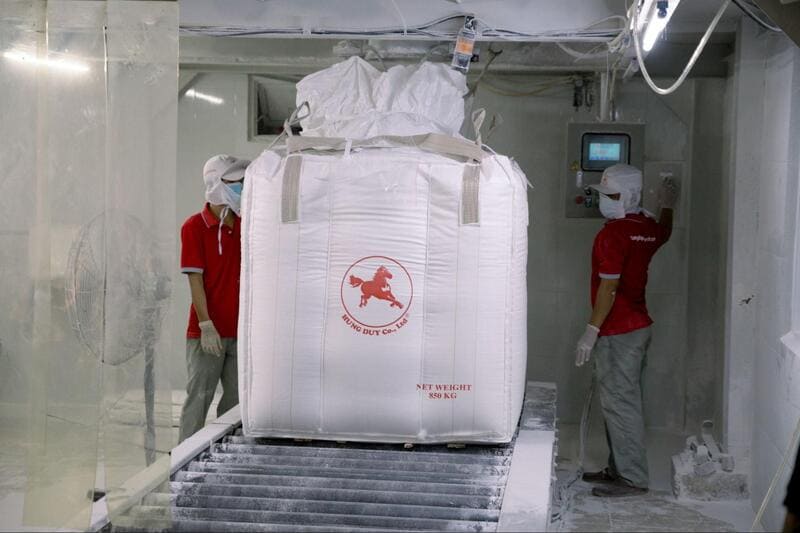
Modified starch production is complex and cost-intensive, requiring not only advanced technology and processes but also proprietary know-how and expertise. In general, the production process includes the following steps:
- Base starch preparation: Natural starch is cleaned, impurities removed, ground, and sieved to achieve the required purity and uniformity. The quality of base starch directly determines the reactivity and stability of the final product.
- Starch modification: Processing to achieve desired properties. Depending on application, one or more methods may be used:
- Physical modification: Heat-moisture treatment, pressure, extrusion, or mechanical processes to alter gelatinization, adhesion, and stability.
- Chemical modification: Use of approved agents (acids, alkalis, phosphates, acetyl groups) to create cross-linking, esterification, or etherification, improving resistance to heat, acid, agitation, and syneresis.
- Enzymatic modification: Use of specific enzymes to break chains, adjust molecular size, or improve solubility and viscosity.
- Post-reaction treatment (mainly for chemical modification): Neutralization of pH, followed by solid separation via filtration or centrifugation, and repeated washing with distilled water to remove residual agents, salts, and by-products.
- Drying: The modified starch is dried using industrial equipment to control moisture, improve fineness, and extend shelf life.
- Automatic packaging: Finished starch is packed in closed systems to maintain quality during storage and transportation.
The entire process is strictly controlled in terms of temperature, pH, reaction time, agent concentration, and moisture to ensure the desired technical properties.
5. Applications of modified starch in modern industry
Modified starch is widely used across industries due to its thickening, stabilizing, binding, structuring, and viscosity control properties.
5.1. Applications in the food industry
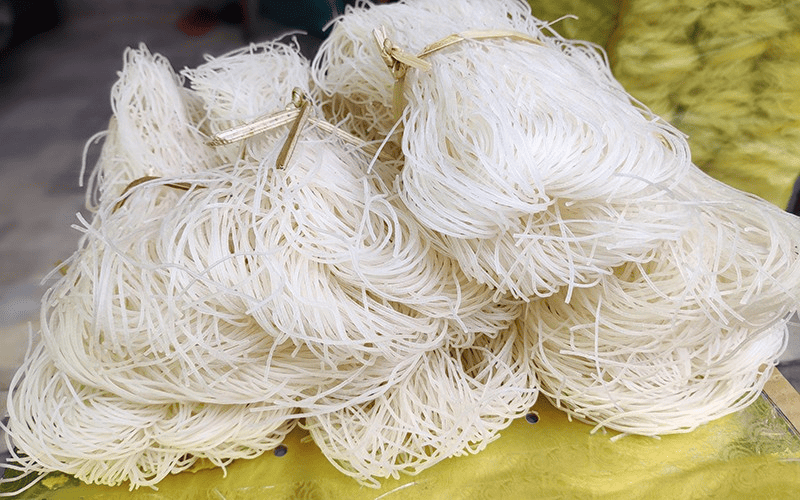
- Noodles, vermicelli, rice noodles, pasta: Improve elasticity and prevent breakage during cooking.
- Soups, porridges, sauces, liquid seasonings: Provide rapid thickening and stable viscosity after cooling and reheating.
- Processed meat & seafood: Improve water retention and binding for sausages, meatballs, fish balls.
- Canned foods: Prevent water separation and maintain texture during sterilization.
- Dairy products: Stabilize yogurt gels, ice cream, and prevent whey separation.
- Snacks & instant foods: Maintain shape and enhance crispness during frying/drying.
- Frozen foods: Reduce ice crystal formation and maintain texture after thawing.
5.2. Applications in confectionery and beverages
- Gummy, jelly, marshmallow: Create elastic, clear gels.
- Caramel, hard candy: Reduce sugar crystallization and moisture absorption.
- Chocolate, cream fillings: Improve smoothness and moisture retention.
- Coating powders: Prevent sticking during packaging.
- Beverages with pulp, smoothies, syrups: Stabilize suspensions and provide light viscosity.
- Beer and fermented drinks: Support fermentation and stabilize foam.

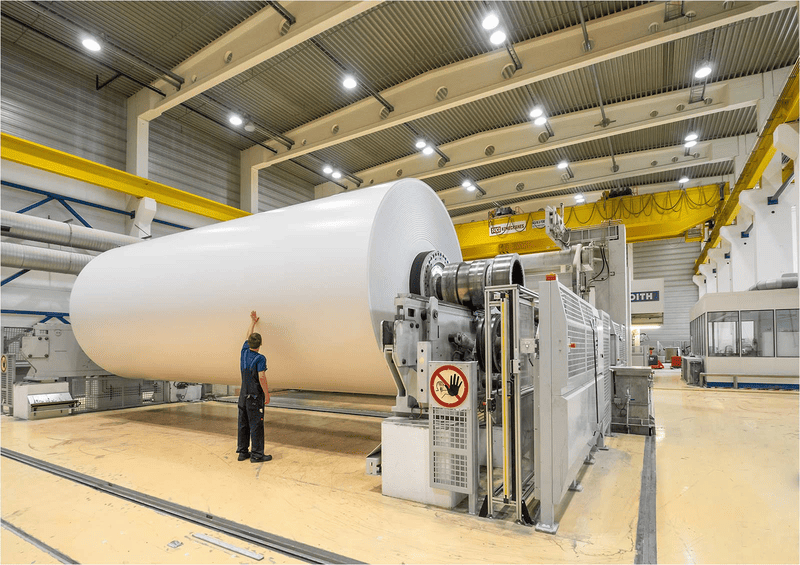
5.3. Applications in paper and packaging industry
- Surface sizing: Improve strength, durability, and water resistance.
- Paper coating: Enhance smoothness, gloss, and ink adhesion.
- Carbonless paper: Create coating layers for color transfer.
- Diapers & hygiene products: Improve absorbency and structural stability.
- Paperboard & cartons: Increase compression strength and burst resistance.
- Filler retention: Prevent filler loss during papermaking, improving whiteness and smoothness.
- Labels, bookbinding, envelopes: Provide strong adhesion and surface stability.
5.4. Applications in pharmaceuticals and cosmetics
- Powders: Provide smooth, dry feel and oil control.
- Makeup: Improve adhesion, reduce shine, enhance texture.
- Soap: Increase hardness and smoothness.
- Creams, lotions, gels: Stabilize emulsions and improve texture.
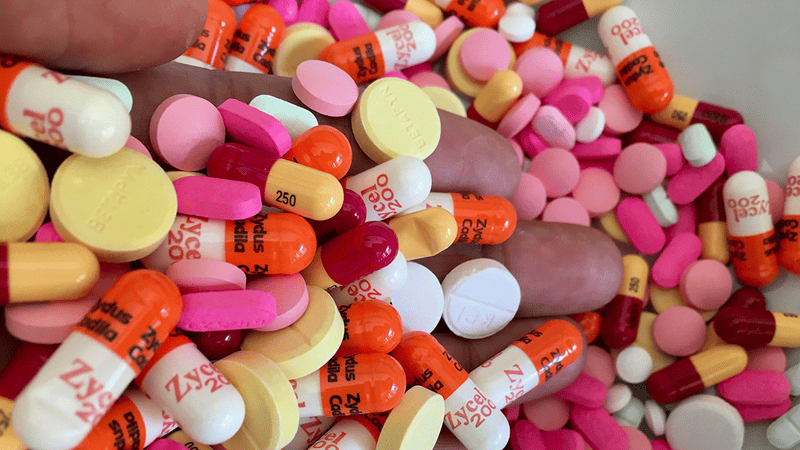
- Tablet coating: Form thin, durable, anti-sticking films.
- Tablet excipients: Provide binding and fast disintegration.
5.5. Applications in other industries
- Adhesives: Hot melt, wood adhesives, pressure-sensitive adhesives, industrial packaging adhesives.
- Textiles: Warp sizing and fabric finishing.
- Construction: Additives for concrete, cement, clay; binders in boards and coatings.
- Explosives: Binder in explosives and matches.
- Mining: Drilling fluid viscosity enhancer and flotation aid.
- Bioplastics: Base material for biodegradable films and packaging.
- Batteries & electronics: Binder in dry batteries and PCB materials.
- Metallurgy: Binder in casting sand and sintering processes.

6. Hung Duy Starch – A trusted manufacturer and exporter of modified tapioca starch
Hung Duy Starch is one of the few companies in Vietnam that fully owns and operates advanced technology and manufacturing facilities for modified tapioca starch, with an integrated production chain located in Tay Ninh – one of the country’s largest cassava-growing regions.
With Factory No. 3 capacity of 250 tons/day and certifications including FSSC 22000, HACCP, ISO 22000:2018, ISO 9001:2015, ISO 14001:2015, HALAL, and KOSHER, along with warehouse capacity up to 50,000 tons, we ensure a stable supply of high-quality products made from 100% fresh cassava roots, meeting the requirements of demanding export markets such as the US, EU, and Japan.
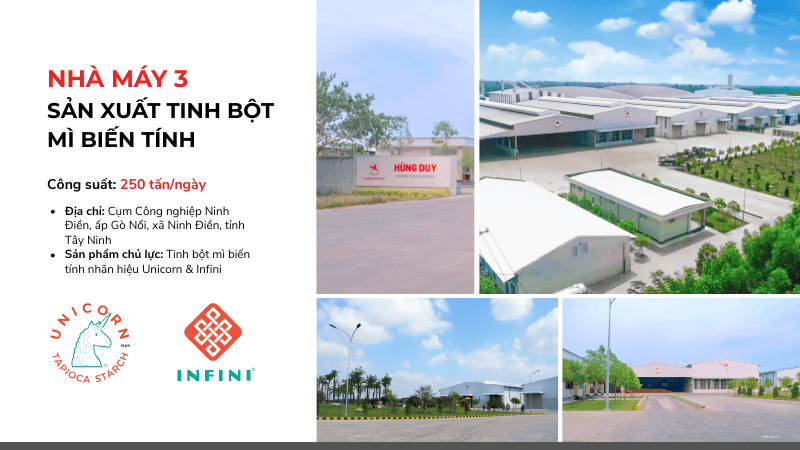
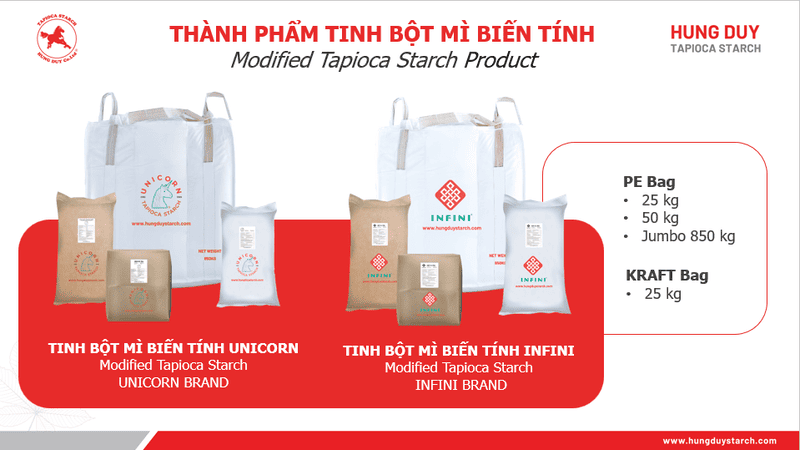
Hung Duy Starch’s modified tapioca starch portfolio is marketed under two brands: UNICORN and INFINI, including:
- E1404 – Oxidized Starch
- E1412 – Distarch Phosphate
- E1414 – Acetylated Distarch Phosphate
- E1420 – Acetylated Starch
- E1422 – Acetylated Distarch Adipate
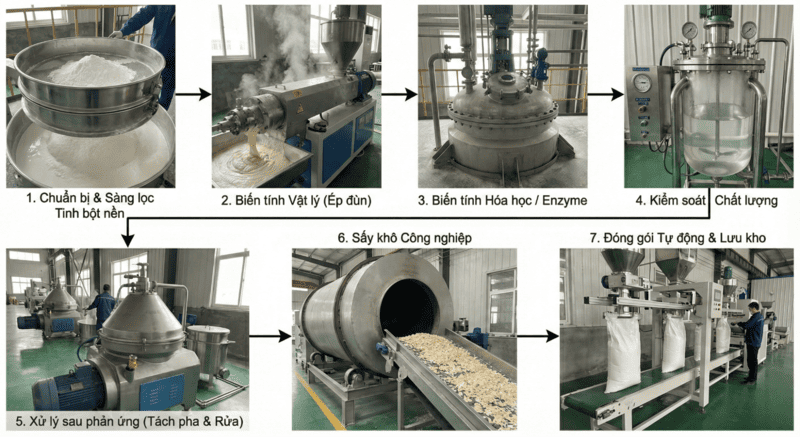
All products are flexibly packaged in 10 kg – 25 kg – 50 kg bags and 850 kg Jumbo bags, enabling businesses to optimize operations, transportation costs, and storage efficiency.
Hung Duy Starch is committed to being a reliable supply partner, helping businesses minimize risks related to product quality, delivery schedules, and traceability. With strong production capacity, full international certifications, and extensive export experience, we are ready to support your specific needs—from selecting the right starch type to optimizing real-world production performance.
For technical consultation, COA, samples, or quotations based on delivery terms, please contact:
- Domestic hotline: (+84) 913 320 365
- Export hotline: (+84) 909 917 141
请登录后发表评论。